April 1, 2026
Leaks in buildings, whether residential or commercial, are more common than many realize. They can range from minor drips to major pipe bursts and often go unnoticed until serious damage occurs. Ignoring leaks can lead to financial, structural, and health issues. This article explores the risks of untreated leaks and highlights the importance of timely intervention from a local plumber.
Financial Implications
Costly Repairs
Leaks, if left unchecked, can lead to substantial repair bills that far exceed what would have been necessary had the leak been addressed immediately. Over time, even a small leak can result in significant damage to infrastructure, requiring extensive repair work. For instance, a minor leak in the roofing system can gradually damage insulation and lead to costly interior repairs. Ignoring leaks may seem like a way to save money in the short term, but it often leads to spending much more in the long run. Proactive maintenance from a local plumber can help reduce these costs significantly.
Increased Utility Bills
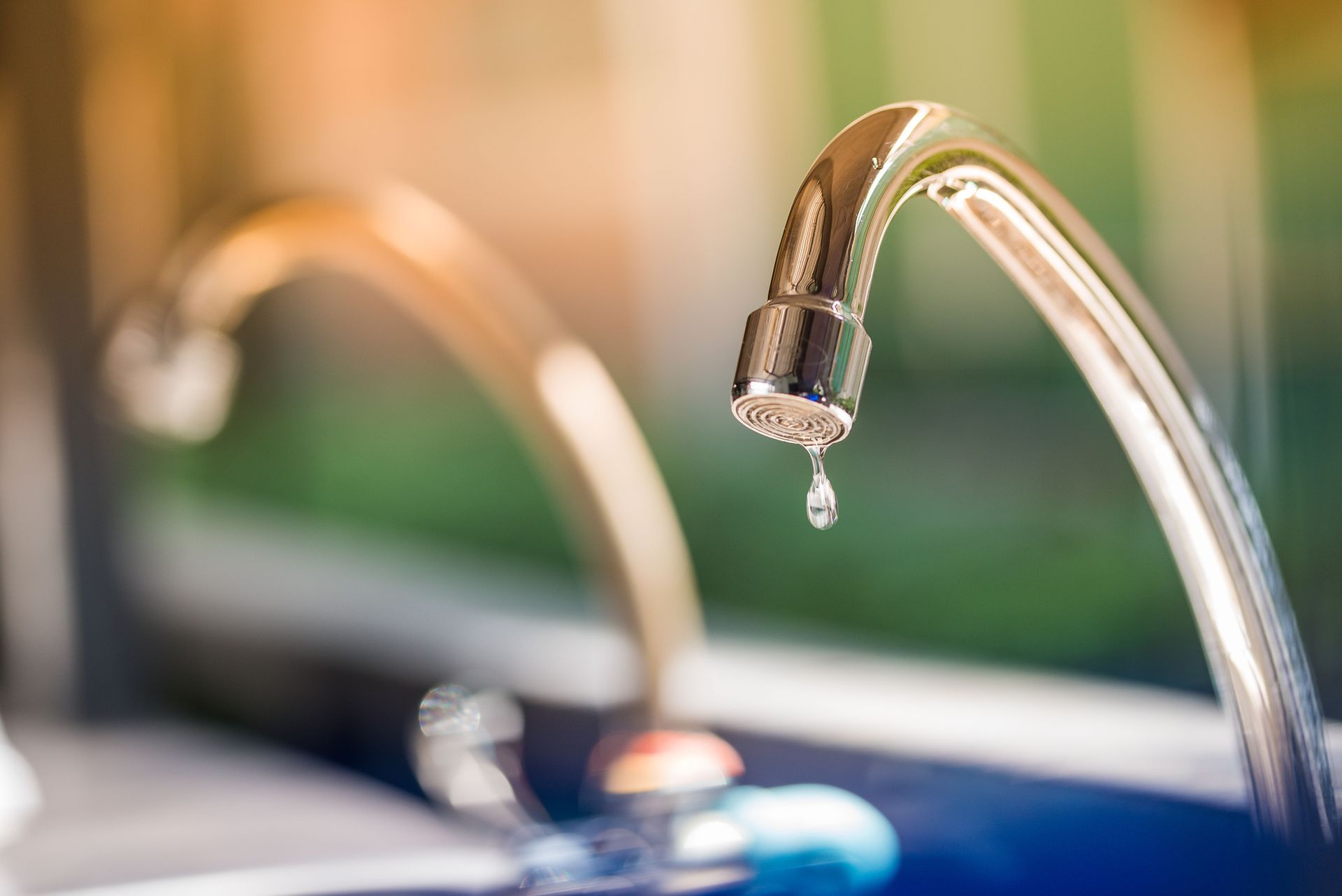
Leaks are notorious for driving up utility bills, straining household and business budgets. Water leaks are the most common culprits, often increasing water usage significantly without visible evidence. According to the U.S. Environmental Protection Agency, a leaky faucet dripping at the rate of one drip per second can waste over 3,000 gallons per year. This wastage translates directly into higher water bills, which could have been easily avoided. Employing a local plumber to address leaks promptly can lead to considerable savings on monthly utility expenses.
Reduced Property Value
Persistent leaks can negatively impact the market value of a property, making it less attractive to potential buyers. Water damage is particularly notorious for leaving marks that signal to buyers that the property might have underlying issues. Structural damage, mold, and mildew resulting from leaks can deter potential buyers, thereby decreasing the market value. In competitive property markets, any hint of water damage can significantly reduce the selling price. A local plumber can address leaks immediately, helping to maintain property value and avoid potential issues in the future.
Insurance Issues
Homeowners and property managers may find their insurance claims and premiums affected by ignored leaks. Insurance companies often deny claims related to damages that result from neglect or deferred maintenance. Persistent or severe leaks that go unresolved can lead to increased premiums as they signal higher future risks. Some policies might even become void if it is determined that the property owner did not take adequate steps to prevent damage. Understanding policy terms and conducting regular maintenance can mitigate these financial risks.
Emergency Situations
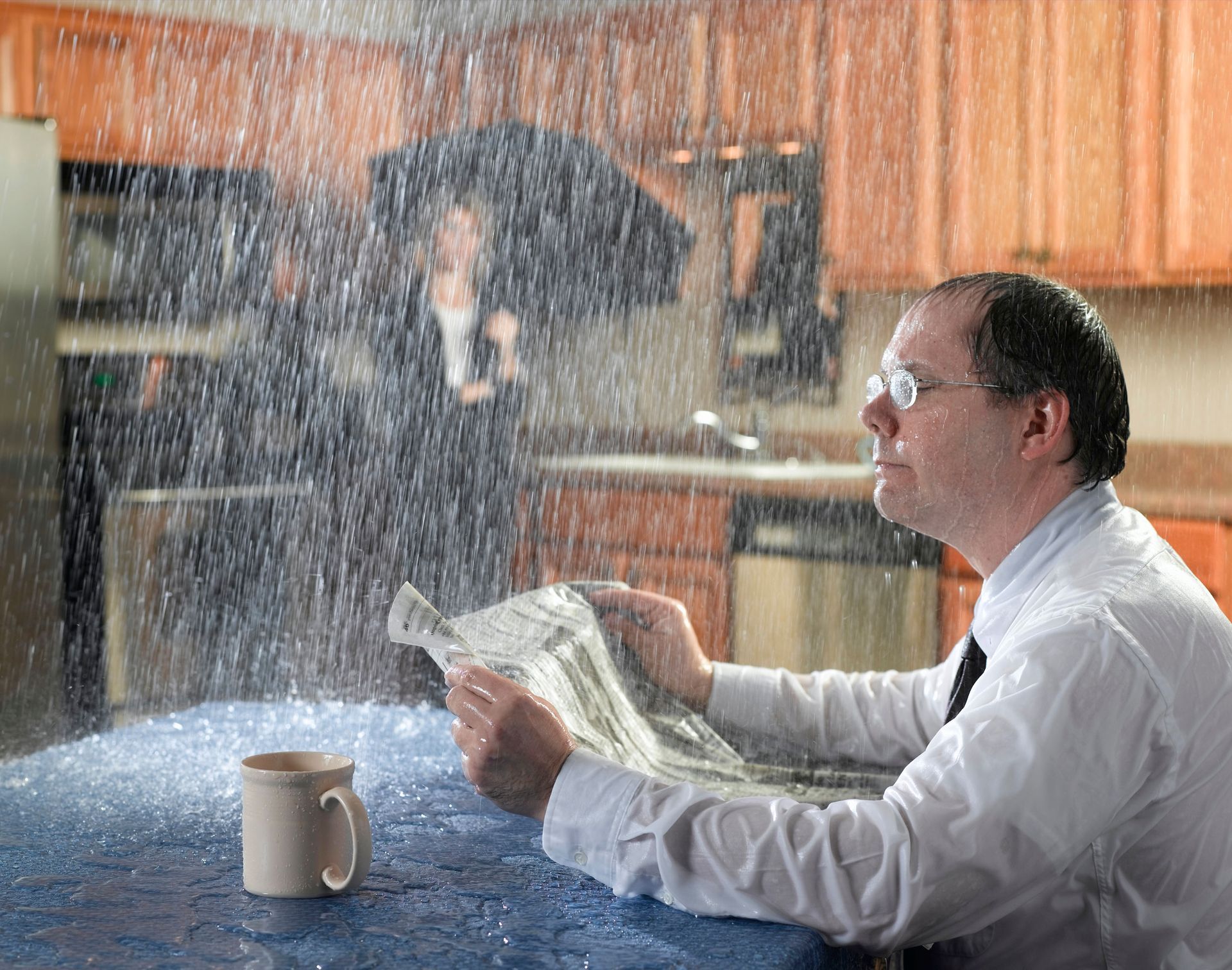
Ignoring small leaks can lead to emergency situations requiring immediate and often costly responses. For instance, a slowly leaking pipe can eventually burst, leading to significant flooding and urgent repair requirements. Emergency repairs generally cost more than planned maintenance, prompting financial strain. Additionally, these situations can disrupt daily life or business operations significantly. Many of these emergencies are preventable with regular inspections and timely repairs.
Structural Damage
Foundation Weakening
Leaks that penetrate a building's foundation can cause significant structural damage over time. Water seeping into the foundation weakens the concrete and can lead to cracks, shifting, or even collapse. This is particularly problematic in areas where the foundation is exposed to freezing and thawing cycles, exacerbating the damage. Regular inspections of the foundation and adequate waterproofing are essential preventative measures. Addressing leaks promptly can avoid costly structural repair and safety hazards.
Interior Damage
The interior of a building is susceptible to extensive damage from leaks, affecting walls, ceilings, and floors. Water can seep into drywall, causing it to warp, become discolored, and eventually require replacement. Ceiling stains and peeling paint are typical signs of water damage that must be addressed swiftly to prevent further deterioration. Flooring, whether carpet, wood, or tile, can also be compromised by water, leading to costly repairs. Regular maintenance from a local plumber and vigilance can prevent much of this interior damage and preserve the property's aesthetic and functional integrity.
Mold and Mildew Growth
Leaks create environments conducive to mold and mildew growth, which thrive in damp, oxygen-rich settings. Mold can spread quickly through a property, weakening structural components such as beams and drywall. Besides structural concerns, mold poses health risks, exacerbating allergies and asthma in occupants. Many types of mold spread spores that can inhabit various parts of the building if not contained. Addressing leaks and drying affected areas promptly is critical in deterring mold and mildew proliferation.
Material Degradation
Prolonged exposure to moisture due to leaks can significantly weaken building materials. Wood and drywall, common in many structures, are particularly vulnerable to water damage. Over time, moisture induces rot and warping in wood, compromising its strength and integrity. Similarly, drywall can lose its rigidity as it absorbs moisture, leading to buckling and cracking. Utilizing quality, water-resistant materials and promptly addressing leaks can mitigate material degradation.
Long-term Consequences
The long-term consequences of structural damage due to leaks can render buildings unsafe and unusable. If leaks persist without intervention, cumulative damage can reach the point where extensive structural renovation is necessary. In worst-case scenarios, the property may be deemed uninhabitable, resulting in relocation and additional financial strain. Compromised structural safety also poses significant liabilities for property owners and managers. Preventing leaks and hiring a local plumber to conduct thorough repairs are essential for maintaining the long-term usability and safety of buildings.
Health Risks
Allergenic Responses
Mold resulting from leaks can act as a trigger for allergic reactions and asthma. Spores released by mold are airborne and easily spread throughout a building. Occupants might experience symptoms such as sneezing, skin irritation, and watery eyes, which can be prolonged in environments with persistent leaks. This allergic response can severely affect the quality of life, particularly for individuals with pre-existing respiratory conditions. Identifying leaks early and addressing them prevents mold growth and its associated health risks.
Respiratory Issues
Damp environments resulting from unchecked leaks can lead to chronic respiratory ailments. Moisture in the air facilitates the growth of fungi and dust mites, exacerbating respiratory conditions. Prolonged exposure to these damp environments has been linked to the development of conditions such as bronchitis and chronic obstructive pulmonary disease. Ensuring proper ventilation and addressing water damage promptly are primary preventive strategies. Avoiding these environments is better for overall respiratory health and comfort.
Contaminated Water Supply
Leaks can potentially contaminate water supplies, posing significant health risks to occupants. When structural integrity is compromised, external contaminants might infiltrate the water supply. This contamination can occur in areas where pipes are in proximity to sewage lines or when natural disasters cause infrastructure disruptions. Consuming contaminated water can lead to gastrointestinal illnesses and other health complications. Ensuring regular maintenance of plumbing and water systems is critical for safeguarding clean water supplies.
Bacterial and Viral Growth
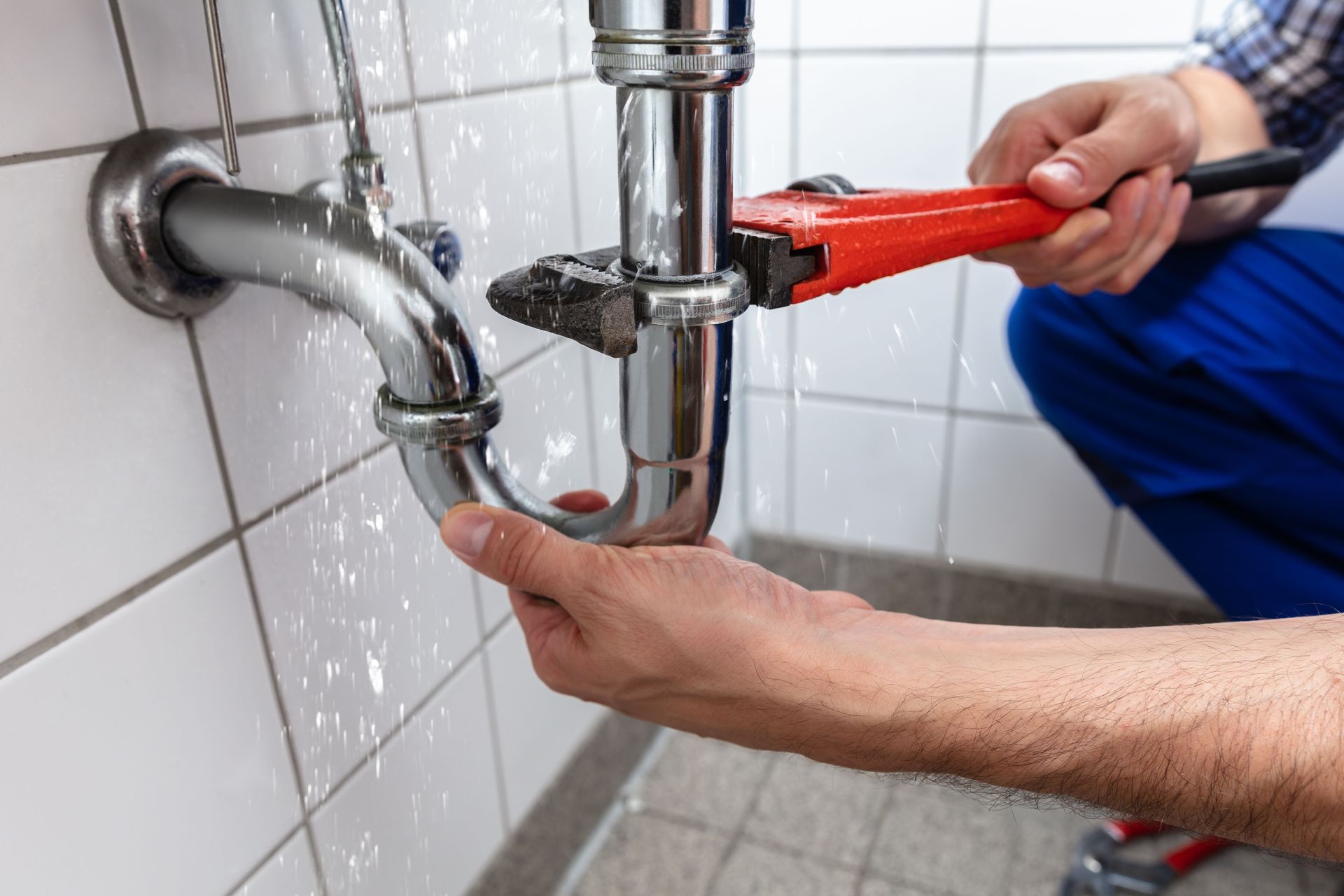
The presence of leaks contributes to an environment ripe for bacterial and viral proliferation. Warm, damp areas are breeding grounds for microbes, some of which can affect human health when inhaled or contacted through surfaces. Bacterial growth in particular can lead to infections, particularly in individuals with weakened immune systems. Hiring a local plumber to address leaks reduces these risks by removing the moist environments that facilitate microbial growth. Practices such as drying wet areas and proper sanitation are also effective.
Impact on Mental Health
Living in a compromised environment due to leaks can contribute significantly to stress and anxiety. The constant worry about potential health risks, financial stress from repairs, and property devaluation can weigh heavily on occupants. This ongoing stress can have cumulative effects, potentially leading to anxiety disorders or depression. Ensuring proactive management of leaks helps mitigate these mental health stressors and promotes a healthier living environment. Addressing concerns promptly fosters peace of mind and well-being.
Regularly addressing leaks through professional inspections and timely repairs protects your property, finances, and health. Acting early prevents small issues from becoming costly problems and ensures a safe, comfortable environment for occupants. For professional assistance and to prevent costly damage, contact a local plumber at Cities 1 Plumbing, Heating & Air Conditioning for prompt evaluation and reliable leak repair services.