April 6, 2026
Plumbing issues have a way of appearing when you least expect them, often turning a normal day into a stressful situation. While some minor concerns can be handled with basic tools or temporary fixes, others signal deeper problems that require immediate attention. Ignoring these warning signs can lead to costly repairs, property damage, and disruptions to your daily routine.
Understanding when to act quickly can make all the difference. Water damage can spread rapidly, and hidden issues may worsen over time if left unresolved. Recognizing the early indicators of serious plumbing trouble helps protect your home and keeps your system functioning as it should. In this article, we'll take a closer look at the most important signs that it's time to call a professional.
1. Persistent Low Water Pressure
A sudden or ongoing drop in water pressure is more than just an inconvenience. It can point to underlying issues such as pipe leaks, mineral buildup, or problems within the main water line. If you notice weak water flow from multiple fixtures, it's often a sign that something more significant is happening behind the scenes.
Low pressure can also indicate hidden leaks within your plumbing system. These leaks may not always be visible, but they can cause damage over time, affecting walls, flooring, and even your home's foundation. Addressing the issue early can help prevent more extensive repairs down the line.
In some cases, low water pressure may be tied to corrosion in older pipes. As pipes age, buildup and deterioration can restrict water flow, reducing efficiency throughout your home. A professional plumber can assess the condition of your system and recommend the best course of action.
When basic troubleshooting doesn't resolve the issue, it's time to call a plumber. Prompt attention can restore proper water flow and prevent further complications.
2. Slow or Frequently Clogged Drains
A slow drain may seem like a minor annoyance, but recurring clogs often indicate a deeper issue within your plumbing system. When multiple drains in your home begin to slow down or back up, it could signal a blockage in your main sewer line.
Hair, grease, soap residue, and debris can build up over time, restricting water flow and leading to persistent clogs. While store-bought solutions may provide temporary relief, they rarely address the root cause of the problem.
According to Gitnux, clogged drains or sewer line issues account for around 60% of plumbing-related emergency calls. This highlights how common and serious these issues can become if not handled properly.
If you find yourself dealing with frequent clogs despite your efforts, it's best to bring in a plumber. Professional tools and techniques can clear blockages more effectively and help prevent future problems.
3. Unusual Noises in Pipes
Your plumbing system should operate quietly, so when you start hearing unusual sounds, it's worth paying attention. Banging, rattling, or whistling noises can indicate issues such as air trapped in the pipes, loose fittings, or sudden changes in water pressure.
These sounds are often associated with what's known as “water hammer,” a condition caused by abrupt valve closures that create pressure surges. Over time, this can strain your pipes and lead to damage if not addressed.
In other cases, unusual noises may signal that pipes are shifting or not properly secured. This can result in wear and tear that eventually leads to leaks or breaks.
If the noises persist or worsen, it's a good idea to have a plumber inspect your system. Identifying the cause early can help prevent more serious damage and keep your plumbing functioning smoothly.
4. Water Stains or Visible Leaks
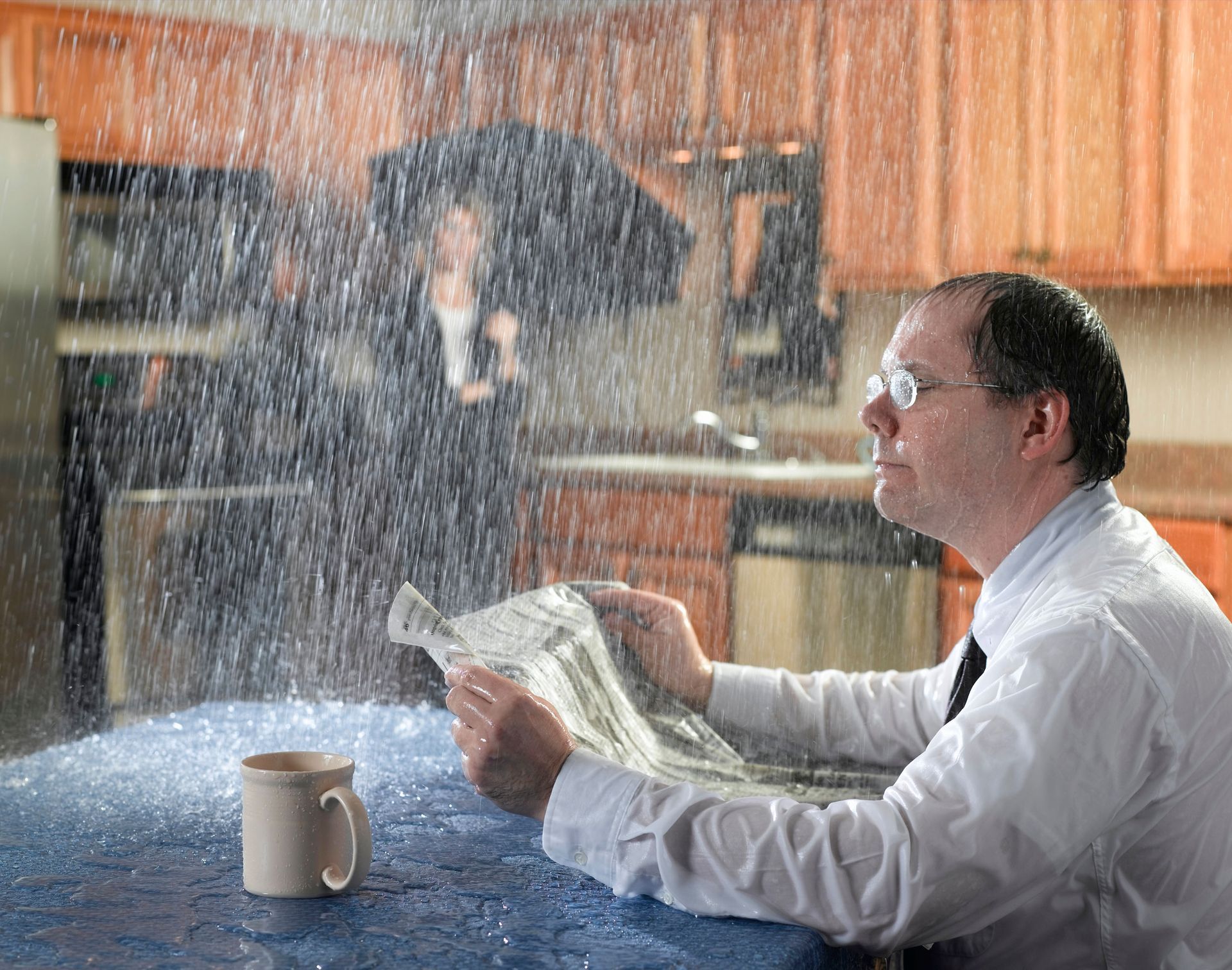
Water stains on walls, ceilings, or floors are clear indicators that something is wrong. Even small discolorations can point to hidden leaks within your plumbing system. Over time, these leaks can weaken structural components and create an environment for mold growth.
Visible leaks, whether from pipes, fixtures, or appliances, should never be ignored. What may start as a small drip can quickly escalate into a larger issue if left unaddressed.
Moisture buildup can also affect insulation and electrical systems, increasing the risk of further damage. Taking action as soon as you notice signs of water intrusion can help limit the impact.
Calling a plumber at the first sign of leaks or water stains allows for a thorough inspection and timely repairs. This helps protect your home and maintain a safe living environment.
5. Sudden Increase in Water Bills
An unexpected spike in your water bill can be a sign of a hidden plumbing issue. If your usage habits haven't changed but your bill continues to rise, there may be a leak somewhere in your system.
Leaks can occur in places that aren't immediately visible, such as underground pipes or within walls. Over time, even a small leak can waste a significant amount of water and increase your monthly expenses.
Monitoring your water bill is a simple yet effective way to detect potential problems early. If you notice consistent increases without explanation, it's worth investigating further.
A plumber can help identify the source of the issue and make the necessary repairs. Addressing the problem promptly can help reduce water waste and bring your utility costs back under control.
6. Foul Odors Coming From Drains
Unpleasant smells coming from your drains are often a sign of trouble within your plumbing system. These odors may result from trapped debris, bacterial buildup, or issues within the sewer line.
In some cases, foul smells can indicate a broken or blocked vent pipe, which disrupts the normal flow of gases. This can lead to odors entering your home and creating an uncomfortable environment.
Sewer line issues can also produce strong, persistent smells that shouldn't be ignored. These problems can escalate quickly and may require immediate attention.
If cleaning your drains doesn't resolve the issue, it's time to call a plumber. Identifying the source of the odor can help restore proper function and improve indoor air quality.
7. No Hot Water or Fluctuating Temperatures
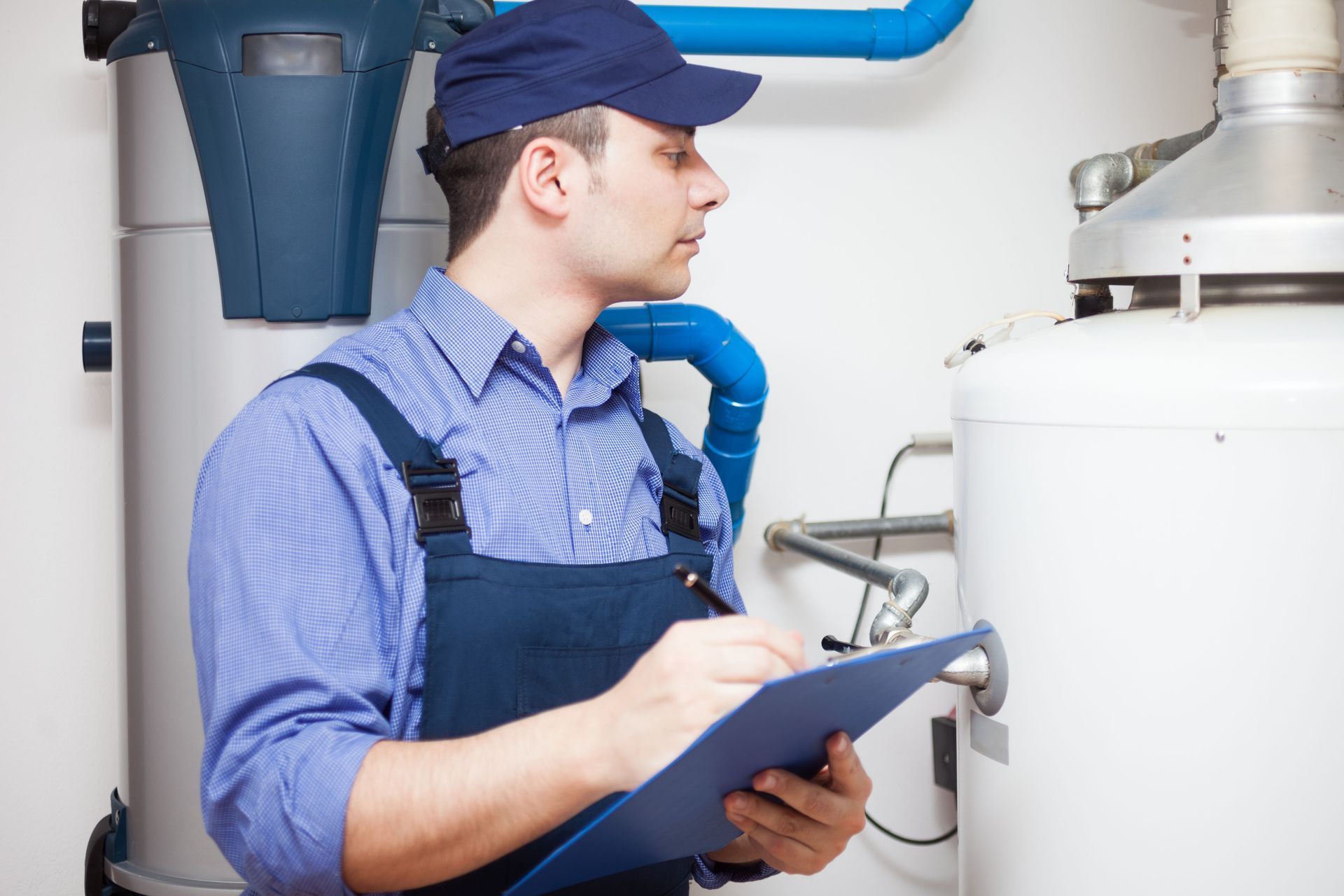
A lack of hot water can disrupt daily routines and point to issues with your water heater. Whether it's a complete loss of hot water or inconsistent temperatures, these problems often require professional attention.
Sediment buildup in the tank, faulty heating elements, or thermostat issues can all affect your water heater's performance. Over time, these factors can reduce efficiency and lead to system failure.
Fluctuating water temperatures may also indicate that your system is struggling to keep up with demand. This can be particularly noticeable during peak usage times.
When hot water problems persist, contacting a plumber can help diagnose the issue and determine whether repairs or replacement are needed.
Plumbing problems can escalate quickly, turning minor inconveniences into major repairs if they're not addressed in time. Recognizing the warning signs, such as low water pressure, persistent clogs, unusual noises, and unexpected increases in your water bill, can help you take action before the situation worsens. Staying aware of these issues allows you to protect your home and maintain a reliable plumbing system.
When you notice any of these signs, it's important to act without delay. A qualified plumber can identify the root cause of the problem and provide the right solution to restore your system's performance. Don't wait for small issues to become costly repairs! Contact Cities 1 Plumbing, Heating & Air Conditioning today to keep your home running smoothly.