April 30, 2026
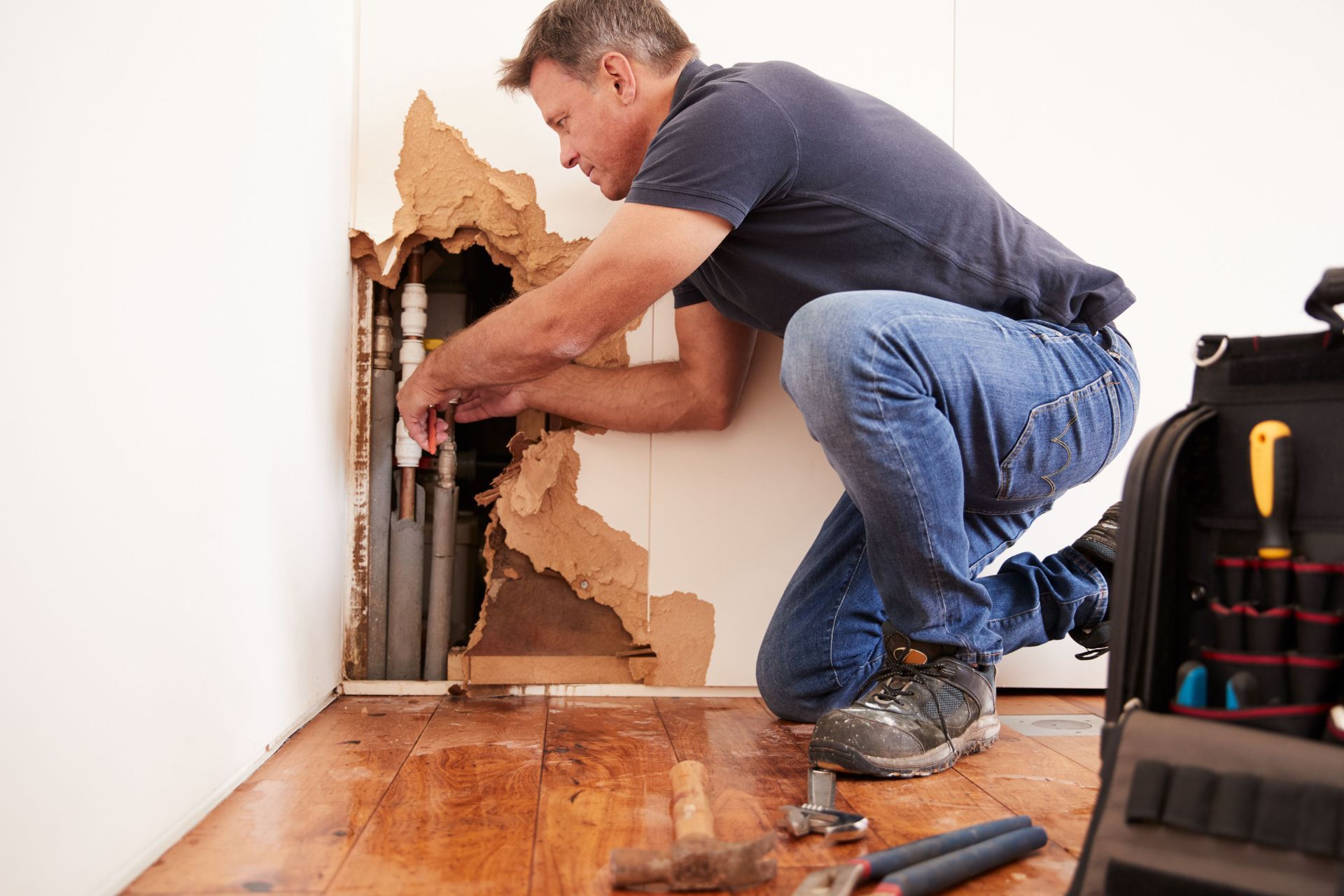
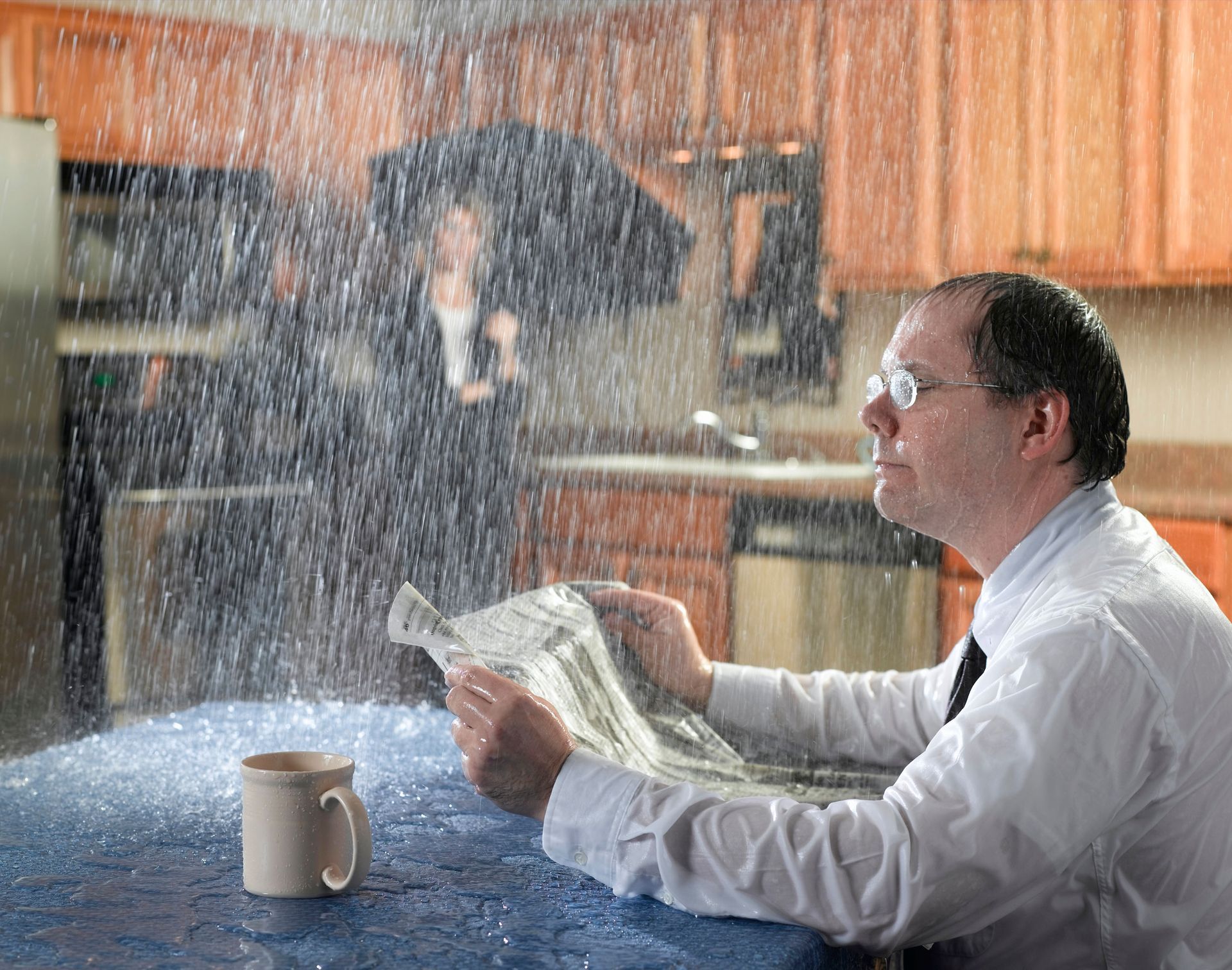
Burst pipes are a significant concern for homeowners, posing severe risks of extensive water damage. They can occur suddenly, leaving a trail of destruction if not addressed swiftly. Timely intervention by professional plumbers is crucial to mitigate the damage and reduce repair costs. Understanding the causes and appropriate emergency protocols can save property from significant loss. Professional plumbers play an essential role in both immediate response and long-term preventative strategies.
Understanding the Causes of Burst Pipes
Freezing Temperatures
Cold weather is one of the most common culprits of burst pipes. When temperatures drop, water inside pipes can freeze, leading to expansion and increased pressure. This expansion often causes the pipe to crack or burst. Homeowners in colder climates must be particularly vigilant in insulating exposed pipes. Protecting against freezing temperatures is a crucial preventive measure during the winter months.
High Water Pressure
Excessive water pressure can place undue stress on pipe systems, eventually leading to failure. Plumbing systems are designed to handle certain pressure limits, and surpassing these limits can be detrimental. Plumbers often recommend installing pressure-reducing valves to maintain safe pressure levels. Regular checks by professional plumbers can help identify and rectify high-pressure issues before they escalate. Prevention of high water pressure-related bursts can save thousands in potential repair costs.
Corrosion Over Time
Pipes made from certain materials can deteriorate over time due to chemical reactions, leading to corrosion. Corrosion weakens the structural integrity of pipes, making them prone to bursts. Professional plumbers assess the lifespan of plumbing and recommend replacements before failure. Routine maintenance is key to detecting corrosion early on. Replacing outdated pipes can prevent significant water damage.
Clogs and Blockages
Blockages within pipe systems are a common issue that increases pressure and stress, ultimately leading to burst pipes. Various materials like grease, soap scum, and hair can accumulate and form clogs. Periodic cleaning and inspection by professional plumbers are essential. A plumber can use tools like snakes and hydro jets to eliminate clogs effectively. Preventing blockages helps in maintaining a healthy plumbing system.
Improper Installation
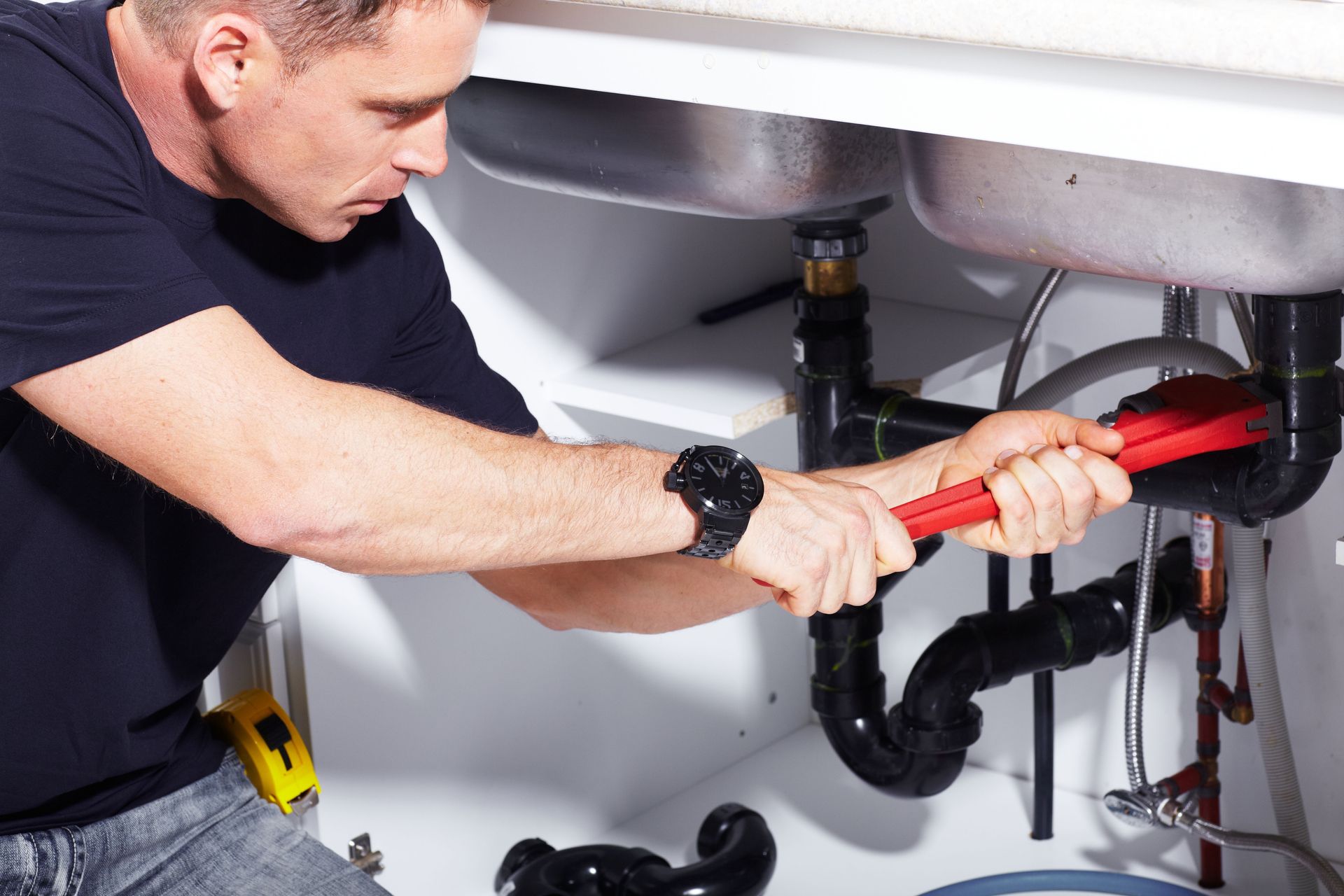
Incorrect installation practices can result in weak points in the plumbing system. DIY installations or hiring underqualified personnel can lead to improper sealing and connection of pipes. Professional plumbers ensure the correct installation, securing components to withstand pressure changes. They adhere to plumbing codes and standards to avoid future issues. Correct installation is foundational in preventing structural weaknesses.
Immediate Response Actions
Shutting Off the Water Supply
One of the first actions to take when a burst pipe is detected is to shut off the water supply. This step is crucial in minimizing the extent of water damage. Locating the main water valve is essential for every homeowner. Turning off the water supply stops the flow instantly, preventing further flooding and damage. This immediate step buys time until professional help arrives.
Evacuating the Area
Ensuring personal safety is a priority in any plumbing emergency. Evacuating the affected area helps avoid hazards such as electrical shocks and slipping. Clearing the area also facilitates professional plumbers in accessing the damage quickly. Homeowners should keep clear of rooms with standing water. Safety precautions can prevent accidental injuries during a pipe burst incident.
Contacting a Professional Plumber
Reaching out to a professional plumber ensures a knowledgeable and effective response. Plumbers have the expertise to diagnose and repair the damage efficiently. According to Gitnux, burst pipes can cause over $10,000 in water damage expenses, underlining the need for immediate professional intervention. Skilled plumbers handle such emergencies regularly and can offer guidance over the phone before arrival. Prompt contact reduces the potential for ongoing damage.
Documenting the Damage
Recording the extent of damage is vital for insurance purposes and repair assessments. Taking photographs and videos provides visual evidence of the incident. Such documentation aids in claim processing with insurance companies. It also assists plumbers in understanding the scope of repairs needed. Well-documented damage can expedite restorations and insurance settlements.
Temporary Patchwork Solutions
Before professional help arrives, a temporary patchwork can mitigate immediate issues. Homeowners can use rubber sheets and clamps to cover minor leaks temporarily. However, these are not long-term fixes but can reduce water flow in an emergency. Plumbers can provide guidance on minor interventions to prevent further escalation. Shielding the damage temporarily buys valuable time for professional interventions.
Diagnostic Procedures Employed by Plumbers
Video Camera Inspections
Modern plumbers utilize technology to locate and assess internal pipe damage. Video camera inspections provide real-time visuals from inside the pipe systems. This technology allows accurate identification of burst locations and potential damage spots. By reducing the need for extensive exploratory measures, it saves time and reduces repair costs. Accurate diagnostics form the basis of effective repair strategies.
Pressure Testing
Pressure testing involves assessing water pressure levels within the plumbing system. It helps identify weaknesses and potential failure points in pipes before catastrophes occur. Regular testing can be part of a preventative maintenance program. Professional plumbers have the equipment and expertise to conduct such tests accurately. Maintaining optimal pressure levels is crucial in averting future pipe bursts.
Leak Detection Devices
Non-invasive leak detection devices are invaluable tools plumbers use to locate leaks. These devices identify leaks through sound, pressure, or other indicators. Their use minimizes disruptive searching tactics within walls and floors. Early detection of leaks can prevent major repairs in the future. Plumbers rely on these advanced tools for comprehensive evaluations of plumbing systems.
Moisture Measurements
Assessing moisture levels in walls and flooring determines the extent of water damage. Professional plumbers use moisture meters to obtain precise readings. Understanding the saturation level helps in planning effective drying and repair strategies. Early moisture detection is crucial in preventing mold growth. Managing persistent moisture is key to successful post-damage reconstruction.
Thermal Imaging
Thermal imaging technology detects heat loss patterns that indicate water accumulation. It is often used to pinpoint unseen leaks and water presence within walls. Plumbers employ this technology for comprehensive evaluations that save time on exploratory work. By detecting anomalies, thermal imaging aids in targeting repair efforts effectively. Early detection of water infiltration helps in mitigating further damage.
Repair Methods for Burst Pipes
Pipe Replacement
In severe cases, pipe replacement is necessary to remedy burst damage. Professional plumbers assess the extent and viability of the existing plumbing before proceeding. New pipes ensure reliability and longevity, preventing recurrent issues. Various materials, such as copper or PEX, may be recommended based on the situation. Replacements are a permanent solution to extensive structural compromises.
Patch and Seal Techniques
Minor bursts can sometimes be temporarily or permanently patched and sealed. Plumbers use specialized compounds to seal leaks effectively. These products offer immediate solutions but are sometimes used as temporary measures. Sealants and patches are part of a broad toolkit for managing minor damage swiftly. They provide short-term relief until more comprehensive repairs can be undertaken.
Sleeving or Lining
Sleeving or relining reinforces existing pipe structures without full removal. This method involves inserting a lining that hardens to form a new structural layer. It is less invasive and can be cost-effective in certain scenarios. Such repair options are especially useful in areas difficult to access. Plumbers assess the appropriateness of sleeving on a case-by-case basis.
Joint Repair and Reinforcement
Repairing and reinforcing pipe joints often involves specialized techniques. These techniques ensure the stability and resilience of connections. Joint failures are common points of weakness in pipe systems. Professional plumbers evaluate joint strength and apply appropriate reinforcement strategies. Strengthening these areas prevents future incidents of pipe separation and bursts.
Preventive Relocation of Pipes
Relocating vulnerable pipes can be a preventive strategy against future bursts. This is particularly relevant in environments susceptible to freezing. Moving pipes to less exposed areas helps in warding off weather-related issues. Professional assessments determine the feasibility and benefit of relocation efforts. Prevention through relocation is a proactive measure to ensure plumbing reliability.
Professional plumbers play a critical role in mitigating water damage from burst pipes. Their expertise in diagnosis, repair, and prevention is invaluable. Rapid intervention and effective measures reduce the financial and structural impact of bursts. Combining immediate responses with preventive strategies ensures long-term plumbing integrity. Investing in professional intervention is the best defense against potential water damage catastrophes. Contact Cities 1 Plumbing, Heating & Air Conditioning today to learn more about how we can help you.