August 31, 2026
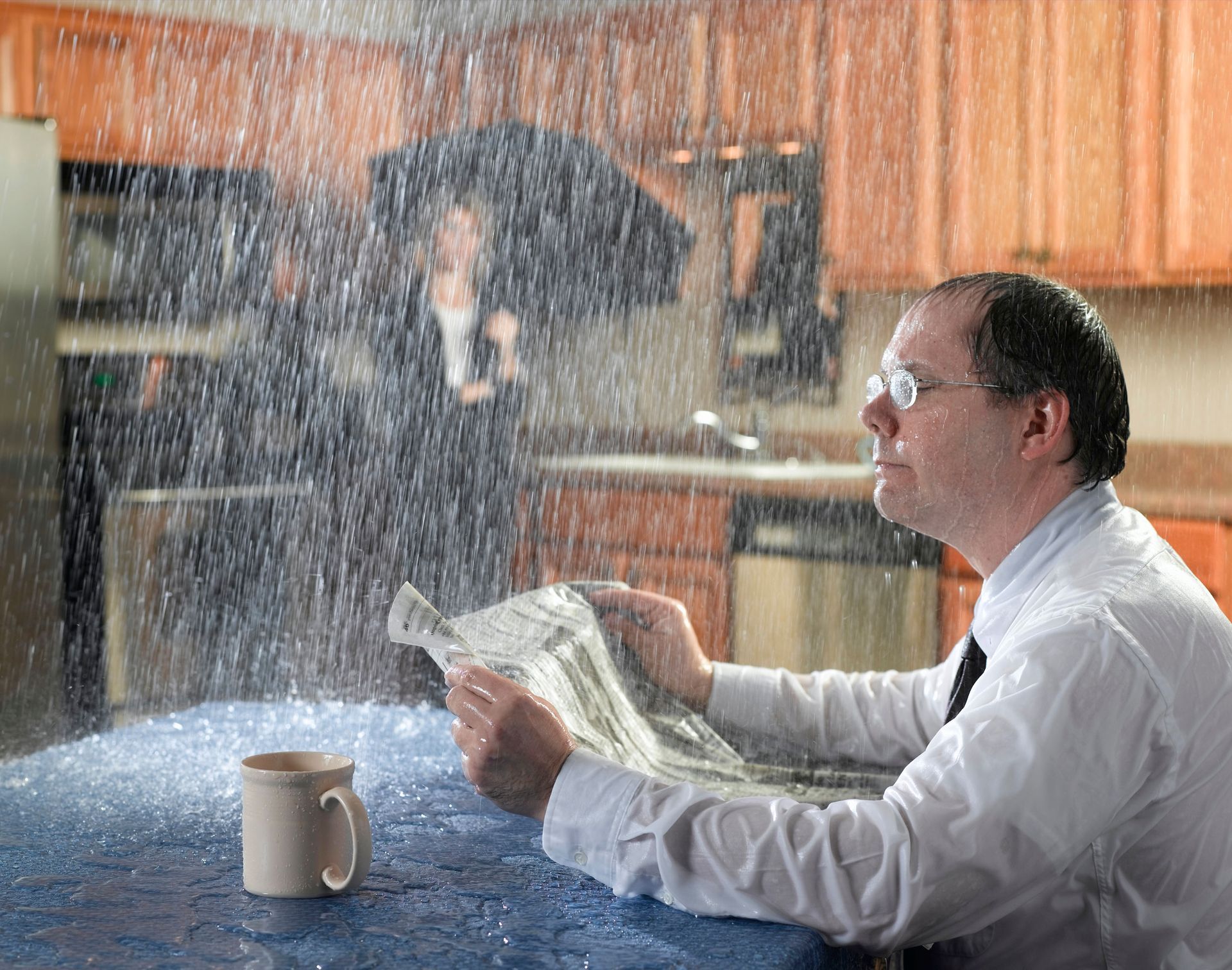
A sudden pipe burst ranks among the most stressful emergencies a homeowner can face, turning a peaceful afternoon into a chaotic race against rising water. Water rapidly rushing into your living spaces can cause severe structural damage, ruin personal property, and create long-term hazards such as mold growth. Knowing precisely how to respond during those critical initial minutes is essential to protecting your property and keeping your family safe. When indoor plumbing fails unexpectedly, taking decisive action minimizes total destruction and prepares your home for professional restoration.
Handling an indoor flooding emergency requires a clear plan of action that moves step by step from containment to full restoration. While the immediate impulse might be to start wiping up water right away, securing the home's infrastructure must always come first. By systematically turning off main lines, relieving system pressure, documenting losses, and hiring qualified plumbing contractors, you can navigate a stressful crisis with confidence. Understanding these vital emergency steps ensures you remain in complete control when unexpected plumbing failures threaten your household.
Turn Off the Main Water Supply
The primary priority during a severe pipe burst is stopping the continuous flow of pressurized water throughout your home. Finding your main shut-off valve quickly prevents water from flooding into walls, floors, and lower levels. This vital control valve is generally located in a basement, crawl space, utility room, or near the point where the municipal water line enters your home structure. Familiarizing every adult in your household with this specific location before an emergency occurs saves precious time when water starts rushing into your living area. Clearing clutter away from access panels ensures you can reach this valve without delay.
Once you locate the main valve, operating it correctly is crucial to stopping active leaks. Gate valves require turning the wheel handle clockwise until it comes to a complete stop, whereas ball valves operate with a simple quarter-turn of the lever handle. Regular maintenance and periodic testing of this valve ensure it will not lock up or freeze during a crisis. If a main line breaks down, professional plumbing contractors can replace old or stuck valves with modern, durable options. Knowing your valve works reliably provides complete peace of mind when facing emergency water breaks.
Drain Remaining Water From the System
After successfully stopping the main flow, you must clear the standing water remaining inside your home's pressurized pipes. Opening every indoor faucet starting from the highest floor down to the lowest level allows trapped water to drain out harmlessly through sinks and tubs. Flushing all toilets repeatedly helps clear additional water residing in bathroom supply lines, preventing localized overflows. Taking these quick steps relieves residual internal pressure and keeps remaining water from continuing to seep through broken pipe seams into your drywall or subflooring.
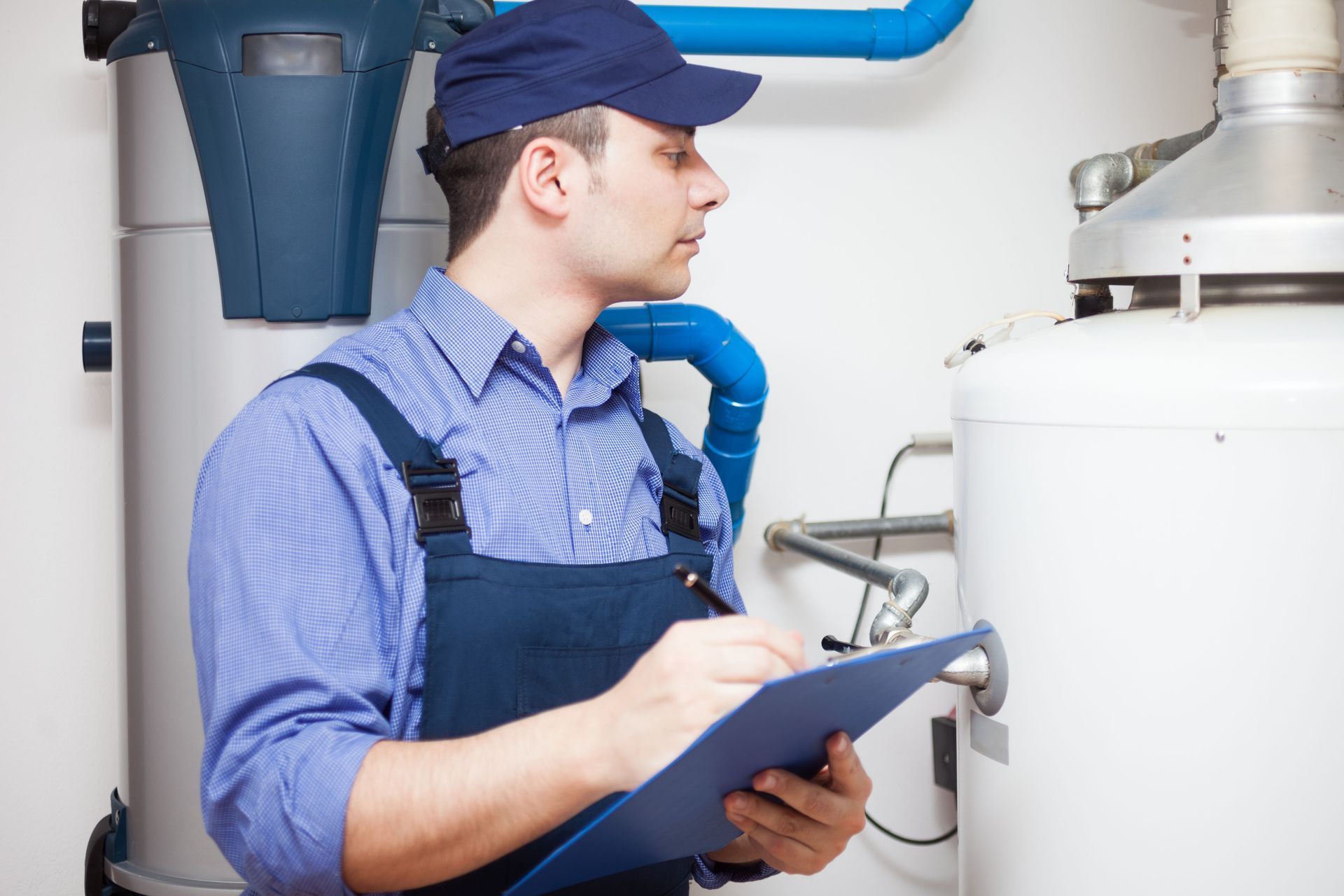
Outdoor fixtures play an equally valuable role in clearing out remaining moisture from your plumbing system. Opening hose bibbs and outdoor spigots directs residual water outside onto lawns or driveways rather than allowing it to pool inside your home. Utilizing existing pressure relief devices near water heaters can reduce internal system pressure, lowering the chance of secondary cracks in vulnerable pipe sections. If you notice persistent drainage delays, skilled plumbing contractors can inspect your lines to eliminate deep blockages and restore proper flow.
Document Every Instance of Property Damage
Thorough documentation forms the foundation of a successful recovery process after dealing with extensive water damage. Before moving furniture or clearing away soaked materials, take clear photos and video recordings of all affected areas from multiple angles. Capture wide shots of entire rooms alongside detailed close-up images of damaged walls, saturated floors, and ruined personal property. Maintaining clear visual evidence helps insurance adjusters evaluate your claim accurately and ensures no subtle damage gets overlooked during initial inspections.
Keeping a written record alongside your photos provides critical context for both insurance providers and repair experts. Write down detailed notes detailing affected items, structural concerns, and the exact time the pipe failure occurred. According to This Old House, average residential properties lose approximately 10,000 gallons of water annually due to household plumbing leaks. Documenting your specific loss clearly establishes a precise timeline of events for insurance evaluators. Maintaining an organized log of every communication with emergency crews keeps your recovery moving forward efficiently.
Contact Experienced Plumbing Contractors Promptly
Once you have contained active flooding and recorded the initial damage, securing professional repair assistance is the next essential step. Calling experienced plumbing contractors ensures that an expert evaluates your home's structural piping, pinpoints the root cause of the break, and completes safe repairs according to local building codes. Skilled specialists bring specialized tools to detect hidden fractures or joint separations that might otherwise go unnoticed. Hiring licensed plumbing contractors protects your infrastructure from improper fixes that could lead to secondary leaks down the road.
Concurrently, contact your home insurance representative to report the incident and start your formal claims process. Providing insurance agents with your detailed photos, written notes, and timelines helps expedite claim processing and ensures clear communication regarding covered restoration work. Insurance specialists can guide you on policy specifics regarding emergency repairs, water extraction, and structural replacement. Working closely with insurance representatives and licensed local technicians creates a seamless recovery pathway, reducing stress while restoring your property to safe working order.
Execute Emergency Water Cleanup and Repairs
Starting immediate extraction and drying efforts is critical to protecting your home from structural deterioration and hazardous mold growth. Use heavy-duty wet vacuums, pumps, and extraction tools to remove standing water from carpeted areas, hardwood floors, and subflooring quickly. Position powerful air movers and commercial dehumidifiers throughout affected rooms to pull trapped moisture out of building materials. Continuous drying efforts drastically reduce structural warping, wallboard collapse, and persistent humidity issues inside your living space.
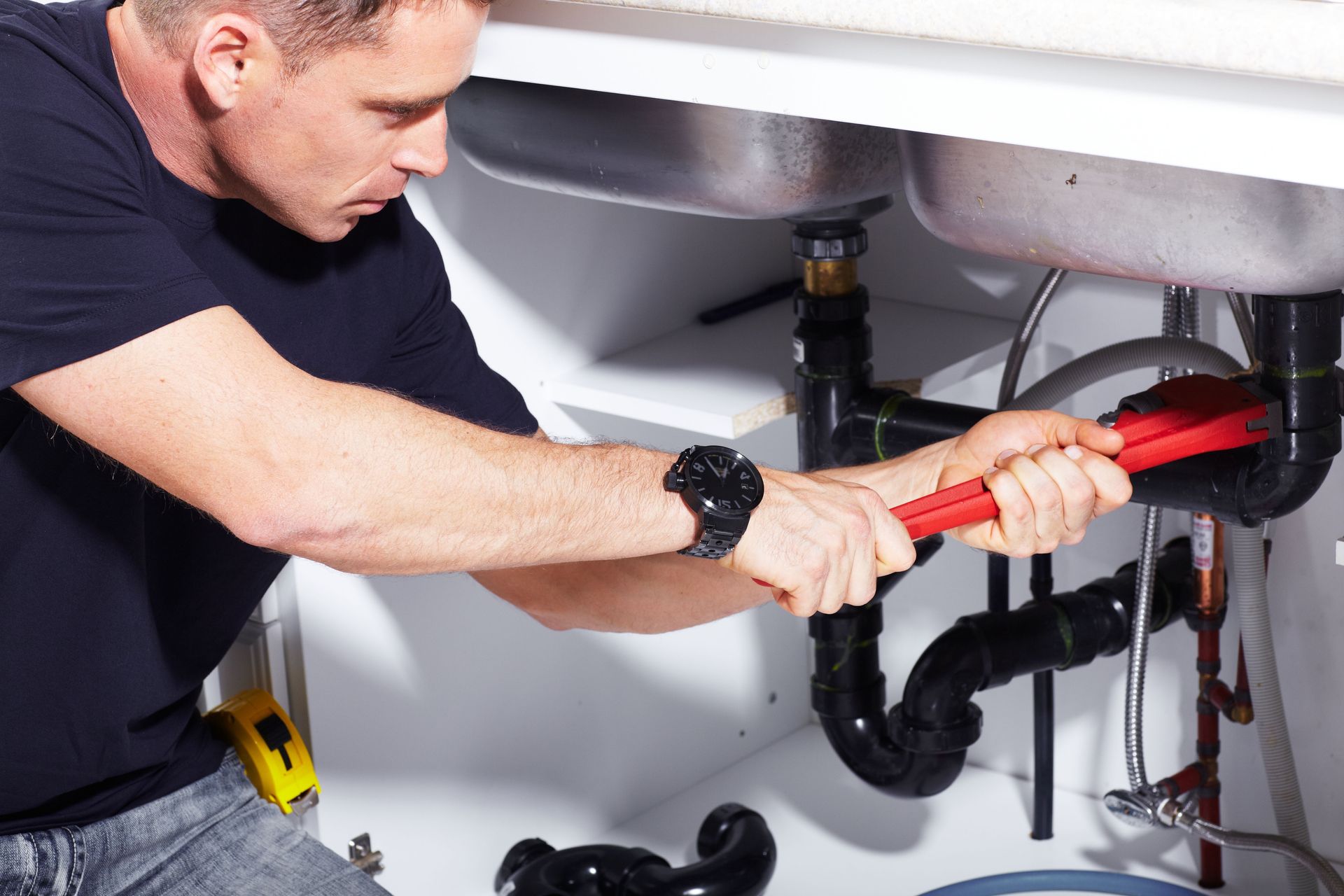
Repairing broken plumbing lines requires precision work to restore full functionality to your home's water infrastructure. Professional plumbing contractors can cut out cracked or ruptured pipe sections and replace them with high-quality copper or durable PEX piping designed for long-lasting performance. During these repairs, technicians thoroughly inspect adjacent pipes, supply lines, and water heaters for hidden wear or stress fractures. Investing in comprehensive pipe repairs prevents repeated bursts and restores reliable water delivery across your entire property.
Prevent Sudden Pipe Breaks and Leaks
Preventing future plumbing catastrophes requires taking proactive steps to protect vulnerable pipe lines throughout your property. Fitting exposed pipes in unheated basements, crawl spaces, attics, and exterior walls with quality insulation shields them against severe winter freezing. Conducting routine seasonal checks on exposed plumbing enables you to catch small corrosion spots, loose fittings, or hairline cracks long before they erupt into major bursts. Establishing consistent preventative care habits safeguards your home against sudden structural water damage.
Schedule periodic professional inspections to maintain your plumbing infrastructure in peak operating condition. Qualified plumbing contractors can evaluate your entire distribution network, test line pressure, and recommend necessary pipe upgrades before weaknesses lead to emergency disruptions. Educating every family member on valve shut-off routines and emergency procedures ensures everyone can react swiftly if a leak occurs. Taking a comprehensive, proactive approach to pipe maintenance provides lasting security and preserves the value of your home.
Navigating a severe pipe burst demands quick thinking, organized action, and expert assistance to protect your home from devastating water damage. By turning off your main water valve, draining residual pressure, documenting damage thoroughly, and calling qualified professionals, you can successfully resolve an emergency. Taking early preventative measures and scheduling regular line inspections keeps your plumbing system strong and resilient against future surprises. For reliable emergency repairs, routine maintenance, and expert service, reach out to us today at Cities 1 Plumbing, Heating & Air Conditioning.