October 1, 2026
Pipes stay out of sight, so changes in a home's plumbing are easy to dismiss. A brief pressure drop or occasional drip may seem unrelated to rusty water. When those changes recur, they deserve a closer look. A pipe's age alone cannot reveal its condition, and one symptom rarely identifies the cause.
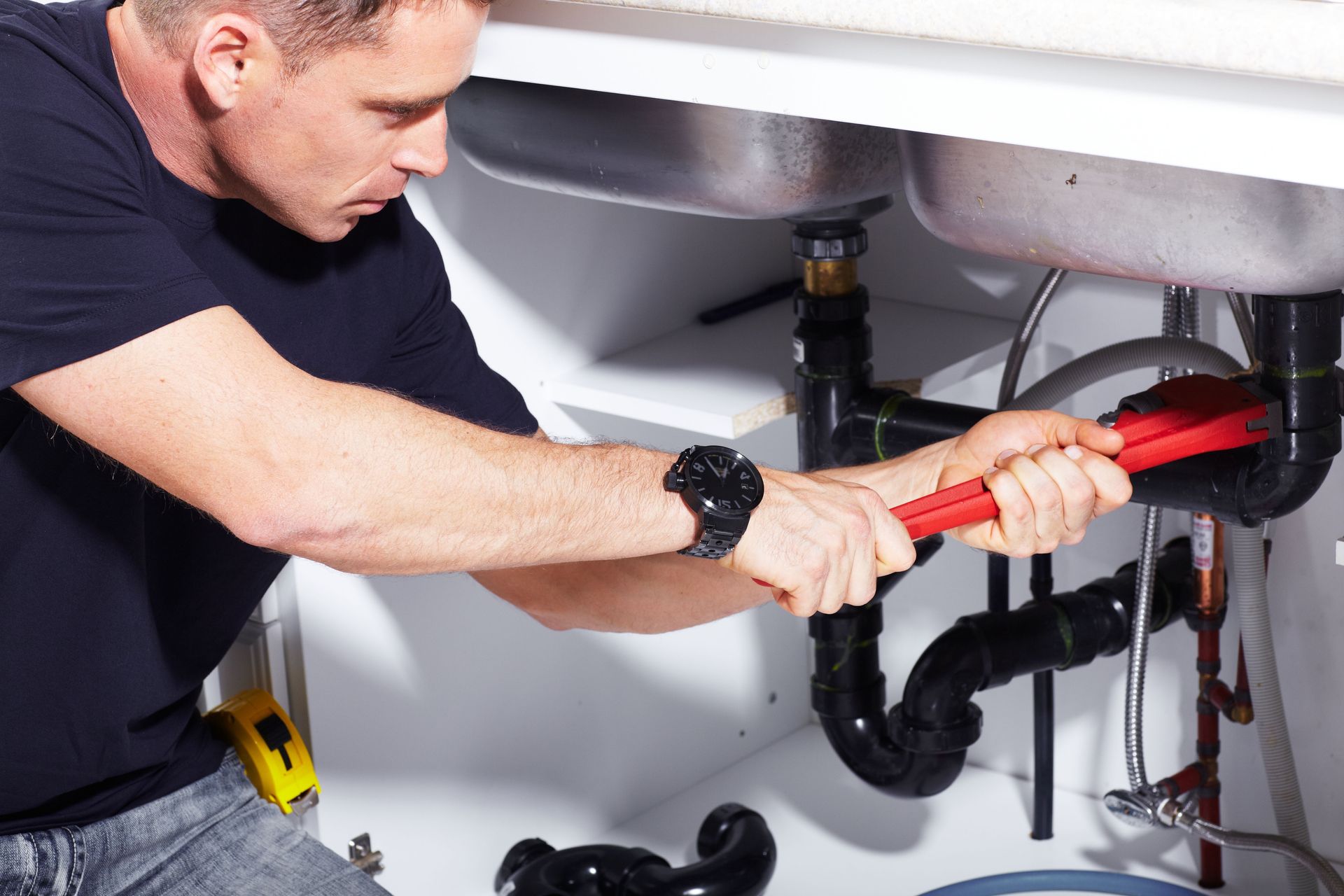
A professional evaluation can help distinguish a problem in one area from signs of broader piping trouble. A plumbing contractor can consider where symptoms appear and whether repairs or repiping may be appropriate. Describing what changed and when it began makes that conversation more useful, especially if the problem is spreading.
Water That Looks Different More Than Once
Rust-colored water can be unsettling, especially if it appears at several fixtures or keeps returning. Aging pipes are one possible explanation, but a color change can have other sources. Water that looks different at one tap may call for a different investigation than the same change throughout the house.
Assessing the piping and the locations where discoloration appears helps a plumbing contractor recommend a course of action. That review is especially relevant when the home's supply pipes include older materials or the change has become more frequent. Describing when the color appears and which fixtures are affected gives the professional a clearer starting point than assuming the entire system must be replaced.
Unusual taste or odor can also belong in that discussion. These changes do not, by themselves, reveal the condition of a pipe, yet they can add context when they occur alongside discoloration or leaks. Looking at the symptoms together helps clarify whether attention should focus on a particular part of the plumbing or extend across the home.
Leaks That Keep Returning
One repaired leak does not mean every pipe is failing. Repeated leaks in different locations, however, raise the question of whether the underlying piping is deteriorating. A drip under a sink, dampness near a pipe, or another leak after a recent repair may signal a pattern. Taken together, those details can point to wear beyond a single section.
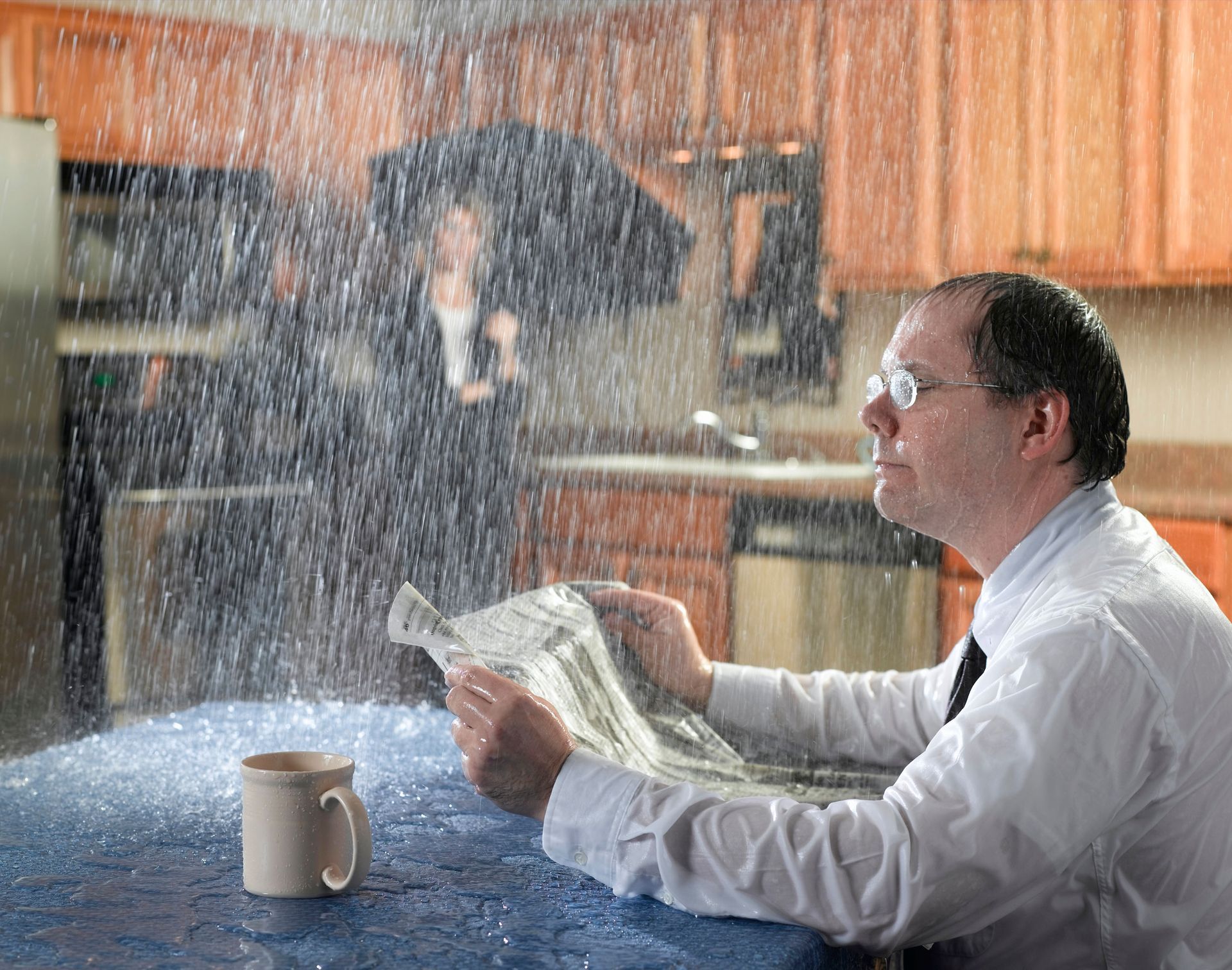
Leaks can allow water to reach surrounding materials. According to Gitnux.org, water damage claims involving frozen pipes that burst averaged more than $10,000 in 2021. That figure concerns a specific type of failure, but it shows why a developing plumbing problem merits attention before a sudden release of water causes further damage. Recurring leaks do not necessarily lead to a burst.
When more than one section has failed, a plumbing contractor can review the condition of the existing pipes and discuss whether individual repairs remain suitable. The evaluation may point toward replacing a damaged section or considering a larger repiping project. The important step is to examine the pattern before another isolated repair becomes the default response.
Pressure That Has Changed Across the House
A weak stream from one faucet may have a different cause from low pressure at several fixtures. When showers and sinks throughout a home are affected, the supply piping becomes part of the conversation. Whether the change came gradually or suddenly, and affects hot water, cold water, or both, gives a plumber useful clues without settling the diagnosis.
Older or corroded pipes may be involved, but pressure can change for other reasons as well. A plumbing contractor's assessment is more useful than treating a slow shower as proof that repiping is necessary. It allows the source of the pressure change to be considered alongside the condition of the piping as a whole.
A sudden, substantial pressure drop deserves particularly prompt attention when it comes with damp surfaces or the sound of water where none should be running. Those signs may suggest an active leak or burst pipe, which calls for a different response than a gradual decline. Paying attention to the speed of the change helps convey the urgency when arranging service.
Clues to a Leak You Cannot See
Not every leak leaves a visible drip. A damp patch, musty odor, or unexplained change in water use may suggest water is escaping somewhere less accessible. Although none establishes the cause alone, together they warrant an assessment, particularly in a home with aging pipes or a history of leaks.
An unexpected increase in a water bill is another useful observation when household water use has stayed about the same. It does not tell you where water may be going, and a billing change alone cannot confirm a pipe leak. Paired with moisture or a shift in pressure, however, it gives a plumber more information to consider during an evaluation.
The timing of these signs matters. Moisture that appears again after a wall dries or an odor that grows stronger near a particular area may help narrow the search. Sharing where and when the change occurs allows the professional to focus on the affected part of the home while considering whether other piping may have similar wear.
Older Materials and an Unclear Plumbing History
Some homeowners know what their pipes are made of; others inherit a home with little information about past plumbing work. Lead or galvanized steel pipes are among the older materials that warrant professional attention. Their presence does not tell you exactly what is happening inside the system, but it gives a professional an important starting point when paired with repeated leaks, discolored water, or low pressure.
The home's age is only part of the picture. Sections may have been replaced at different times, leaving materials of different ages in one system. A plumbing contractor's review of the layout helps explain how those differences affect the available options. The most visible pipe may not represent the rest of the home.
If broader replacement is appropriate, repiping can involve removing old piping, installing new materials, and testing the completed system. Copper and PEX are among the materials used for this work, with the choice depending on the home's needs. An assessment can establish whether such a project addresses the symptoms observed or whether a more limited repair is the better fit.
What a Professional Evaluation Can Clarify
An evaluation brings the separate clues into one picture. A plumber can discuss recurring symptoms, examine accessible piping, and assess whether signs point to an isolated issue or a more widespread concern. The findings can then guide a recommendation for repair or repiping. Homeowners should be able to understand the reason for that recommendation and what work it would involve.
When repiping is recommended, planning extends beyond selecting new pipes. The project may include a detailed plan, removal of older lines, installation, testing, and attention to affected areas afterward. A
plumbing contractor can explain which steps apply to the home and how the work will be organized. That discussion also offers a chance to address questions raised by earlier leaks or past partial repairs.
Even if the answer is a smaller repair, the evaluation has value. It can put a repeated symptom in context and make the next decision more deliberate. The purpose is to respond to the condition of the system that is actually there, rather than to assume that every older home needs the same solution.
An aging pipe does not announce when it needs attention, but changes across the plumbing system can form a recognizable pattern. Having that pattern evaluated gives a homeowner a clearer basis for deciding what comes next. At Cities 1 Plumbing, Heating & Air Conditioning, we assess plumbing concerns and provide pipe repair and repiping services when the findings call for them. We invite you to contact us about the signs you have noticed so we can discuss the next step for your home.