October 29, 2026
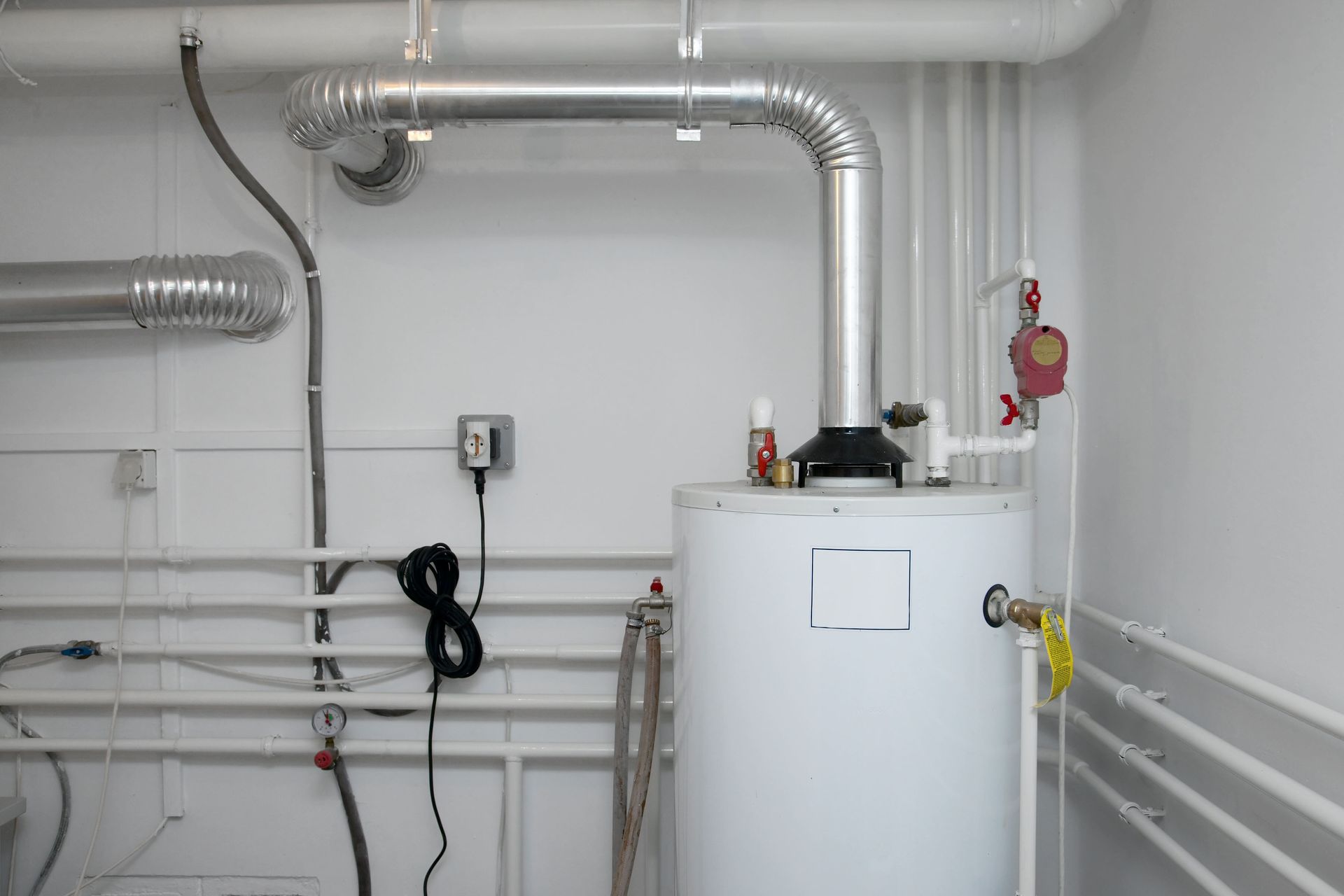
Your home relies on a continuous supply of hot water for countless daily activities, ranging from morning showers to running the dishwasher and washing loads of laundry. Despite being one of the most critical appliances in your household, the water heater often operates entirely out of sight, leading many homeowners to neglect its regular maintenance. Over time, this lack of attention can lead to decreased performance, higher utility bills, and eventual system failure. The simple act of routine flushing is a fundamental maintenance task that can drastically alter the trajectory of your appliance's operational life. While many people only think about their unit when the water goes cold, proactive care is the key to longevity. A full tank flush removes the hidden debris that silently destroys the system from the inside out. Understanding the profound benefits of this maintenance requirement is essential for anyone looking to protect their home investment and avoid premature replacements.
Preventing Harmful Mineral and Sediment Buildup
The water entering your home is rarely pure; it contains various dissolved minerals, most notably calcium and magnesium. When this hard water enters your tank and is heated, these minerals separate from the liquid and settle at the bottom of the tank as solid sediment. Over the months and years, this sediment hardens into a thick, rock-like layer that fundamentally disrupts the operation of the unit. Routine flushing is the only effective way to remove these loose minerals before they have the chance to calcify. If you allow this layer to grow unchecked, it displaces the volume of water the tank can hold, meaning you will run out of hot water much faster during your daily routines. Experienced plumbing contractors highly recommend an annual flush, and sometimes a biannual flush for homes with exceptionally hard water. By proactively removing this debris, you ensure the interior of your tank remains clean, functional, and free from the damaging effects of excessive mineral accumulation.
Improving Overall System Energy Efficiency
When a thick layer of mineral sediment covers the bottom of a gas or electric water heater, it creates a powerful insulating barrier between the heat source and the water itself. For a gas unit, the burner is located at the very bottom, meaning the heat must pass through the metal, then through the sediment, and finally into the water. Electric models face a similar struggle as sediment buries the lower heating elements. Because of this insulation, the system must burn more fuel or consume more electricity to reach the desired temperature setting on the thermostat. The appliance is forced to work twice as hard to achieve the same result. By clearing out this insulating layer, the heat transfer process becomes instantaneous and direct. Many homeowners who hire plumbing contractors for a professional flush are amazed at how quickly their unit recovers after heavy usage. A clean tank operates smoothly, efficiently, and with minimal wasted energy, keeping your entire household running without interruption.
Lowering Monthly Utility and Energy Bills
The direct result of improved energy efficiency is a noticeable reduction in your monthly utility expenses. When your water heater struggles against a thick barrier of sediment, it remains active for much longer cycles. This prolonged operation directly translates to higher gas or electric consumption. Since heating water accounts for a significant portion of the average household energy budget, these extended heating cycles can cause a sharp spike in your bills over the course of a year. Flushing the tank restores the original efficiency rating of the appliance, ensuring you only pay for the energy actually needed to warm the water. Professional plumbing contractors often point out that the minor cost of annual maintenance pays for itself through these consistent energy savings. You will notice that the burner or heating elements shut off much sooner, indicating that the system has reached the target temperature without unnecessary strain. Consistent maintenance ensures your energy bills remain predictable and affordable throughout the year.
Eliminating Strange Kettling Noises and Odors
A clear sign that your water heater is suffering from severe sediment buildup is the presence of loud popping, rumbling, or banging noises coming from the basement or utility closet. This phenomenon, often referred to as kettling, occurs when small amounts of water become trapped underneath the heavy layer of sediment at the bottom of the tank. As the burner heats the bottom of the tank, this trapped water instantly boils and turns to steam, violently bursting through the sediment layer. Not only is this sound alarming, but the micro-explosions cause intense physical stress on the structural integrity of the tank. Additionally, bacteria can begin to thrive in the porous sediment, leading to a foul, rotten egg odor in your hot water supply. Reputable plumbing contractors utilize specialized techniques to power flush the tank, entirely eliminating the debris causing these issues. Removing the sediment stops the kettling effect, silences the appliance, and restores the fresh scent of your household water.
Extending the Total Lifespan of the Unit
The ultimate goal of routine flushing is to maximize the functional lifespan of the appliance. Water heaters are substantial investments, and replacing them prematurely is a frustrating financial burden. When a tank is filled with sediment, the constant overheating required to warm the water causes the metal bottom to expand and contract excessively. This thermal stress degrades the protective glass lining inside the tank, eventually leading to microscopic cracks. Once the water breaches this lining and reaches the bare steel, rust and corrosion develop rapidly, inevitably resulting in a catastrophic leak. By performing a routine flush, you eliminate the root cause of this overheating and thermal stress. The unit can heat the water gently and efficiently, preserving the interior lining and the structural metal. Expert plumbing contractors emphasize that a well-maintained water heater can easily last well over a decade, whereas a neglected unit might fail in half that time. Flushing is the ultimate preventative measure for appliance longevity.
Maintaining a Comprehensive Home Plumbing System
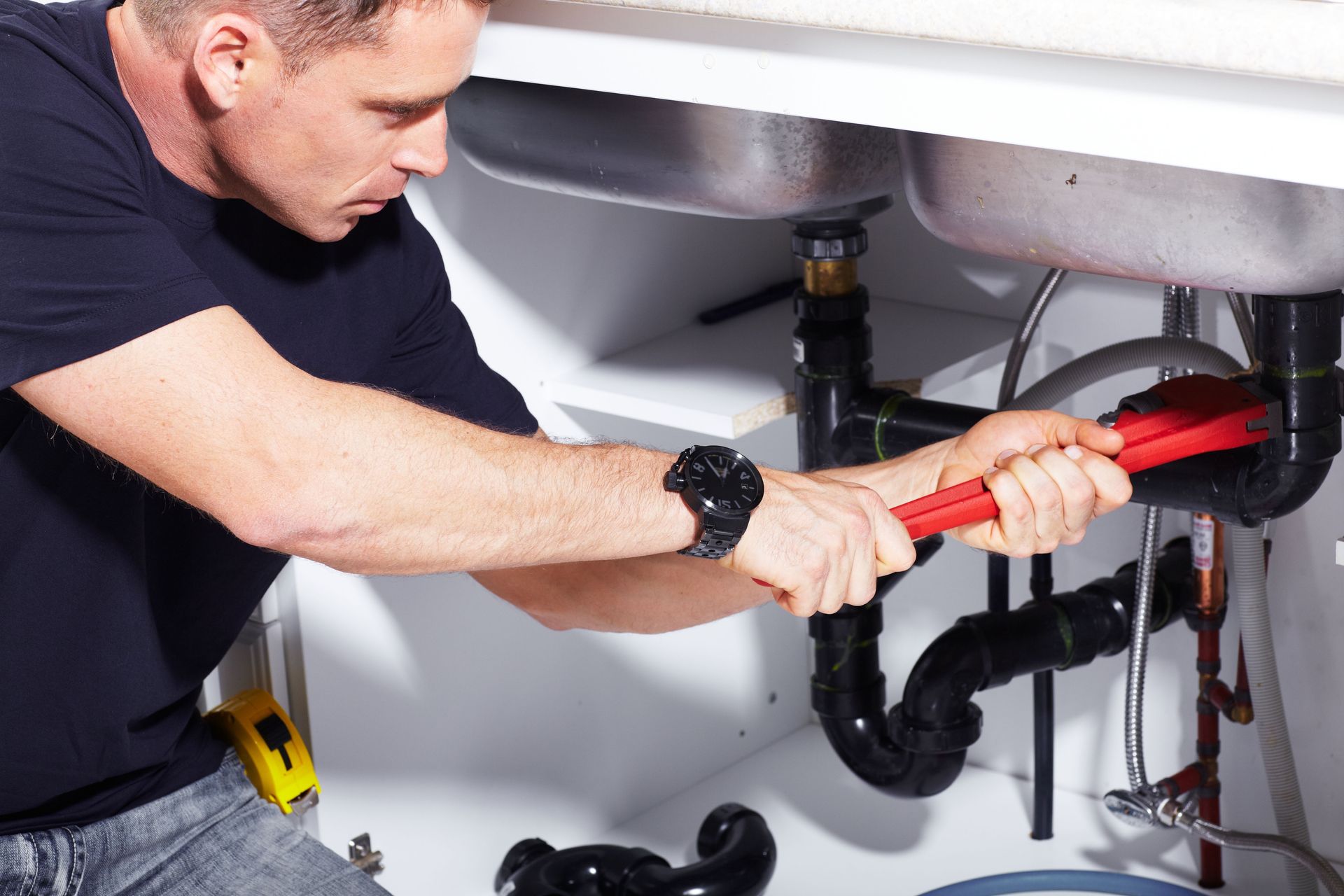
Your hot water supply is deeply interconnected with the rest of your home plumbing infrastructure. When a water heater fails, it can send a wave of rust, debris, and scale throughout your pipes, potentially clogging faucets, ruining showerheads, and damaging appliances like dishwashers and washing machines. Therefore, taking care of your water heater is an essential part of protecting your entire property. While issues with water heaters are common, other areas of the home also require diligent attention. According to Gitnux, approximately 60% of emergency calls for plumbing relate to stopped-up drains or compromised sewer lines. This highlights the importance of comprehensive home maintenance. Whether you need assistance with water heaters, drain cleaning, general plumbing, heating, or air conditioning, working with knowledgeable professionals ensures your entire property remains safe and functional. Dedicated plumbing contractors can seamlessly handle your annual flush while inspecting the rest of your system for potential vulnerabilities, ensuring you avoid stressful emergencies and costly water damage.
The health and efficiency of your water heater depend heavily on regular, proactive maintenance. The simple process of flushing out harmful sediment prevents internal damage, optimizes energy usage, lowers your monthly utility costs, and significantly extends the life of the appliance. Neglecting this task forces the unit into a state of continuous strain, inevitably leading to premature failure. By partnering with experienced plumbing contractors, you guarantee that your system receives the care it requires. For exceptional service, reach out to Cities 1 Plumbing, Heating & Air Conditioning.