May 26, 2026
A professional plumbing service visit can feel much easier when you know what to expect. Whether you are dealing with a leak, clogged drain, water heater issue, or fixture replacement, the process usually follows a clear path from inspection to repair. Professional plumbers arrive prepared to assess the problem, explain the work, and complete the service as efficiently as possible. Understanding each step can help you feel more confident, ask better questions, and prepare your home before the appointment begins. Working with experienced local plumbers can also provide reassurance, as they are familiar with common issues in your area and can respond quickly to service needs.
Being informed about the process also helps reduce stress and uncertainty, especially when dealing with unexpected plumbing problems. Knowing what typically happens during a service visit allows homeowners to communicate more effectively, make informed decisions, and feel more in control throughout the experience. This preparation can lead to smoother appointments, better outcomes, and a more positive overall service experience.
Scheduling the Service Visit
The first step is scheduling your appointment and describing the plumbing issue as clearly as possible. You may be asked about visible leaks, unusual sounds, low water pressure, slow drains, or appliance problems. Sharing these details helps the company send the right technician with the proper tools and equipment. Providing accurate information early on can also help reduce delays and improve the overall efficiency of the visit.
If the issue is urgent, such as a burst pipe or sewer backup, the scheduling process may also include emergency guidance. According to Houzz, 62% of individuals choose local plumbers over national chains when dealing with emergency plumbing situations. This preference often comes from wanting faster response times and more familiar service. Scheduling early and clearly communicating your concerns helps set the tone for a smooth and productive appointment. In addition, confirming appointment times, access instructions, and any required preparations ahead of time can help avoid misunderstandings and allow the service visit to begin without unnecessary interruptions.
Preparing the Work Area
Before the technician arrives, it helps to clear access to the affected area. Move items away from sinks, toilets, water heaters, utility rooms, or crawl space entries. This allows the plumber to begin the inspection without delays and helps protect your belongings from water, dust, or debris. Preparing the space also allows the technician to work more safely and efficiently.
You may also want to note when the issue started and whether it has changed over time. For example, a drain that has slowed gradually may point to buildup, while a sudden backup may suggest a deeper blockage. These details can help local plumbers diagnose the problem more accurately. Taking a few minutes to prepare can make a noticeable difference in how quickly the issue is identified and addressed. It may also be helpful to secure pets, ensure proper lighting in the work area, and make sure someone is available to answer questions during the visit. Clearing pathways and providing easy access to shutoff valves or utility connections can further help the technician complete the work more efficiently.
Inspecting the Plumbing Issue
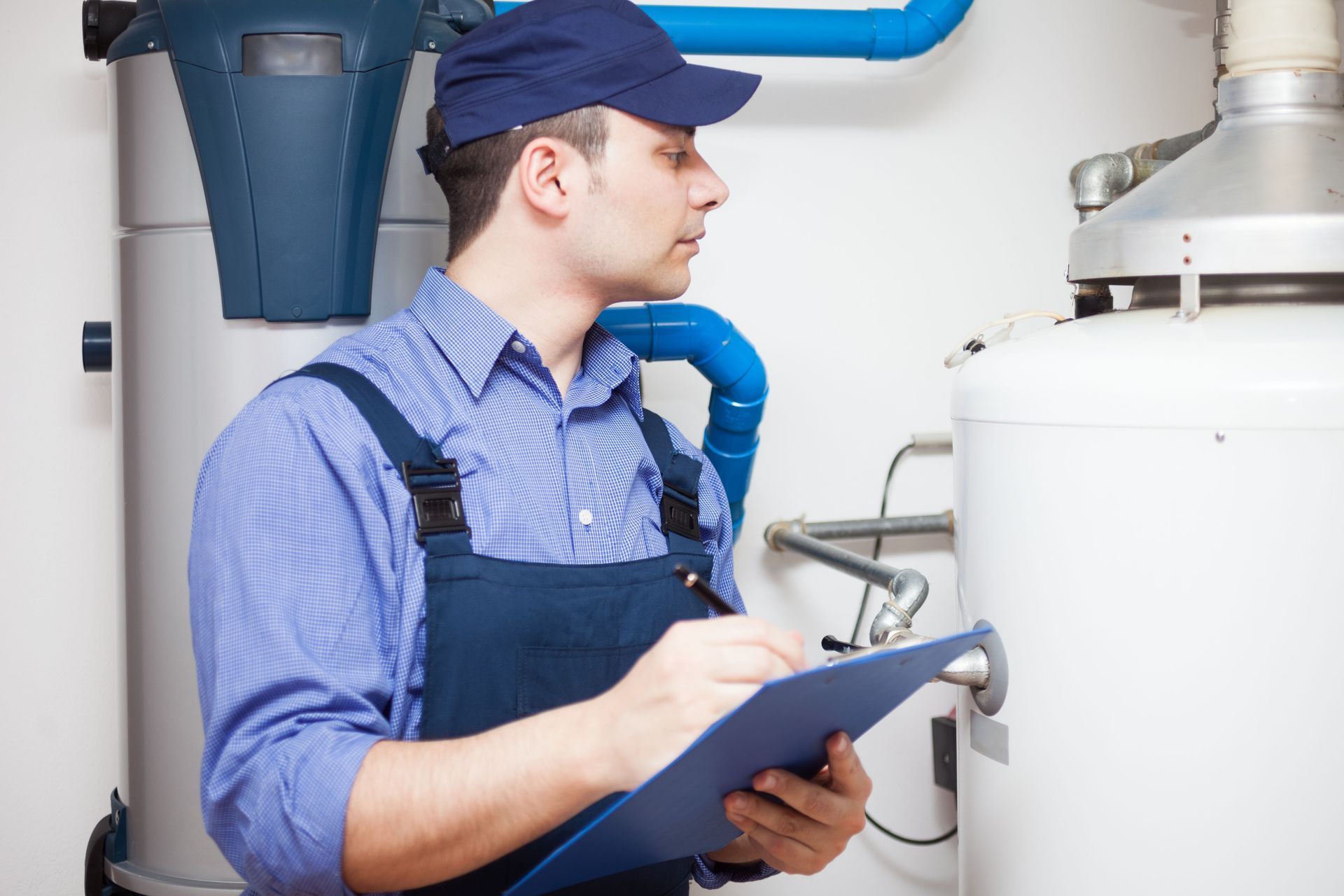
Once the plumber arrives, the visit usually begins with a detailed inspection. The technician may check fixtures, pipes, valves, drains, water lines, or appliances connected to the plumbing system. Depending on the issue, they may also use specialized tools to locate leaks, clogs, or pressure problems. This thorough approach helps uncover both visible and hidden concerns.
This inspection helps determine whether the problem is isolated or connected to a larger system concern. For example, a single slow sink drain may be simple to clear, while multiple slow drains could indicate a main line issue. A proper inspection helps prevent unnecessary repairs and supports a more accurate service plan. Local plumbers rely on experience and tools to provide a clear diagnosis before moving forward. In some cases, they may also check surrounding areas to confirm that no secondary issues are contributing to the main problem.
Explaining and Approving the Work
After the inspection, the plumber should explain what they found and recommend the next steps. This may include a repair, replacement, cleaning, adjustment, or further testing. A professional technician should describe the issue in clear terms so you understand what needs to be done and why. This ensures that you are fully informed before any work begins.
This is also the time to ask questions about cost, timing, materials, and possible alternatives. Local plumbers can often provide practical guidance based on the age of your home, common plumbing concerns in the area, and the condition of your existing system. Once you approve the work, the service can move forward with clear expectations and minimal confusion. Having a clear agreement before work begins helps prevent misunderstandings and keeps the project on track.
Completing the Plumbing Repair
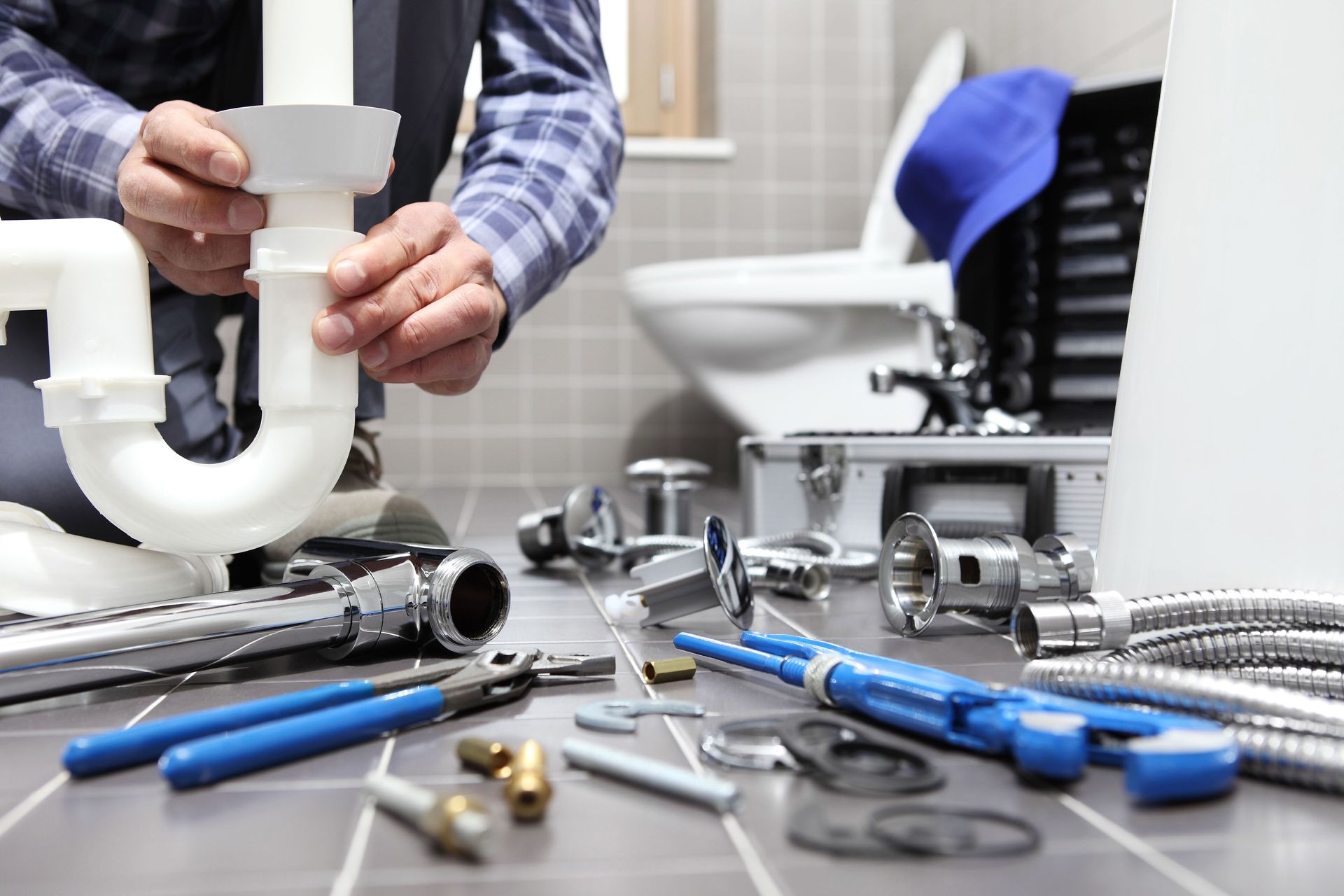
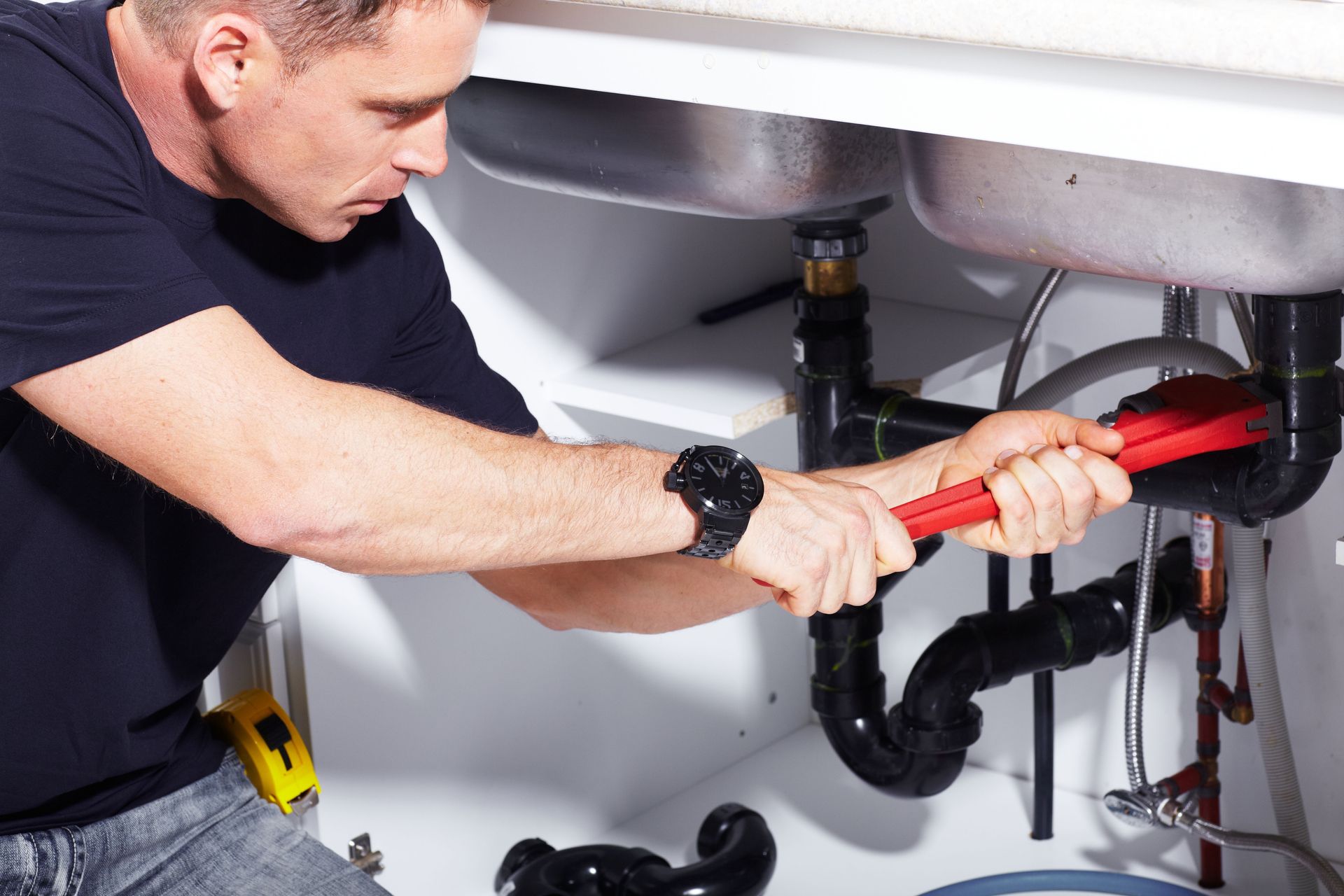
Once you approve the work, the plumber will begin the repair or service. This may involve replacing worn parts, clearing a clog, repairing a pipe, installing a fixture, adjusting water pressure, or servicing a water heater. The technician should work carefully to protect your home and complete the job correctly. Attention to detail during this phase is essential for long-term results.
Some repairs can be finished during the same visit, while larger jobs may require additional parts or a follow-up appointment. If more work is needed, the plumber should explain the reason and outline the next steps. Local plumbers often focus on practical solutions that restore function while minimizing disruption to your daily routine. They may also recommend preventative measures to reduce the likelihood of similar issues occurring in the future. In addition, professionals may take time to double-check connections, secure components, and verify that all systems are functioning properly before completing the job, helping support reliable performance after the service visit is finished.
Testing and Cleaning the Area
After the repair is complete, the technician should test the affected plumbing system. This may include running water, checking drainage, testing pressure, inspecting for leaks, or confirming that a fixture or appliance works properly. Testing helps verify that the original problem has been addressed and that the system is functioning as expected.
A professional plumbing visit should also include attention to the work area. While some repairs naturally create a mess, the technician should clean up tools, removed parts, packaging, and basic debris related to the service. Local plumbers aim to leave the area in a usable condition, allowing you to return to normal activities without unnecessary cleanup. A clean workspace reflects professionalism and helps homeowners feel more comfortable after the service is complete.
Reviewing Maintenance and Final Details
Before leaving, the plumber may offer maintenance tips to help prevent future issues. This could include drain care, water heater maintenance, leak monitoring, shutoff valve use, or fixture upkeep. These recommendations can help extend the life of your plumbing system and reduce the likelihood of recurring problems.
At the end of the visit, you should receive a summary of the work completed, including any parts replaced and recommendations for future service. Keeping these records can be helpful for long-term maintenance planning. A professional plumbing visit is designed to provide clear solutions and reliable results. Working with experienced local plumbers can also make it easier to track service history and plan future maintenance needs. For dependable plumbing support and professional service, contact Cities 1 Plumbing, Heating & Air Conditioning today.